Introduction to Animal Fat Disc Separators
Briefly explain what animal fat disc separators are.
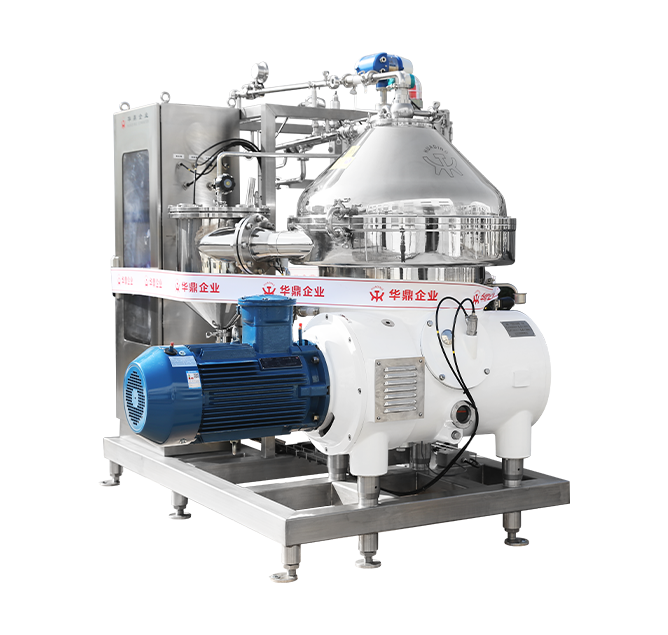
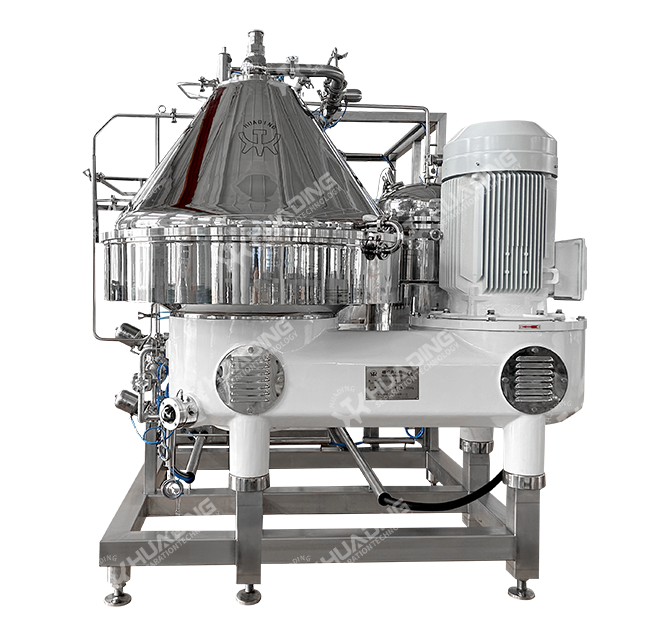
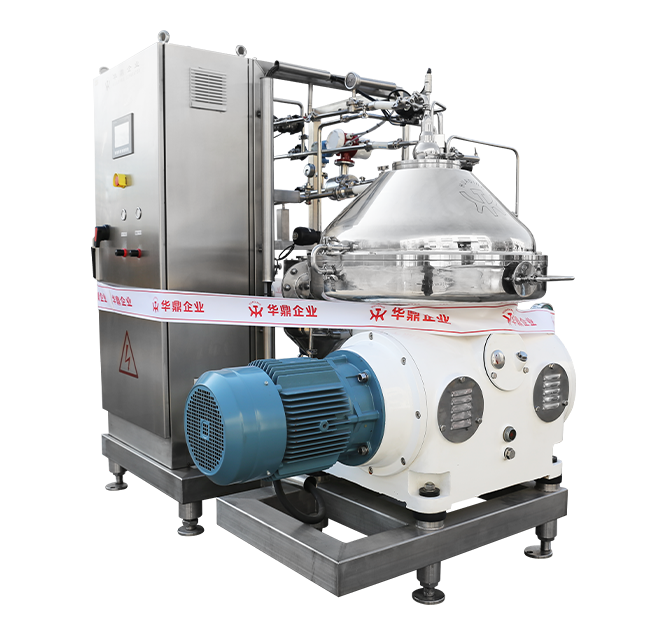
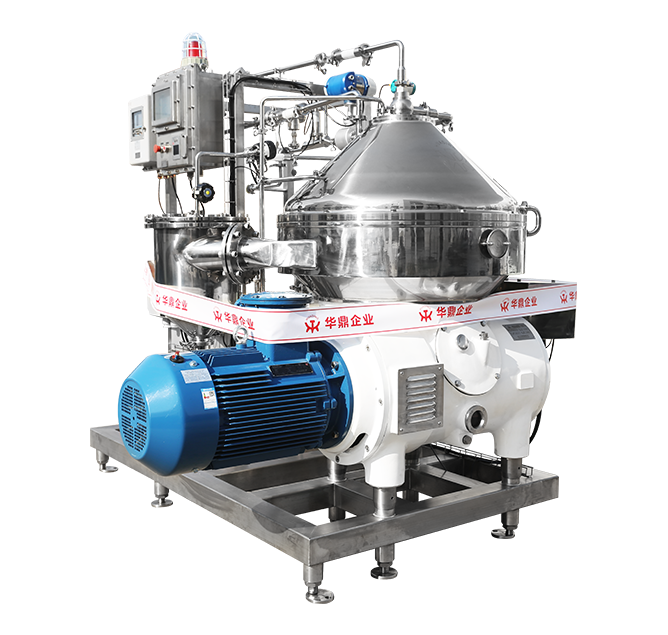
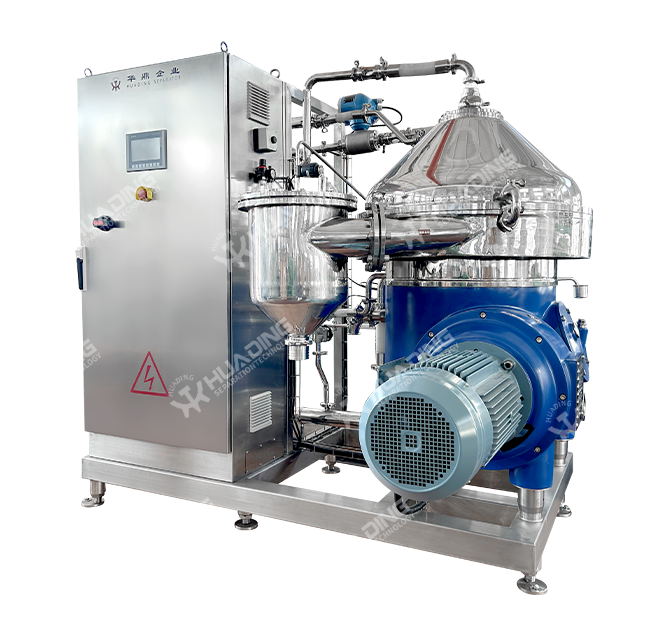
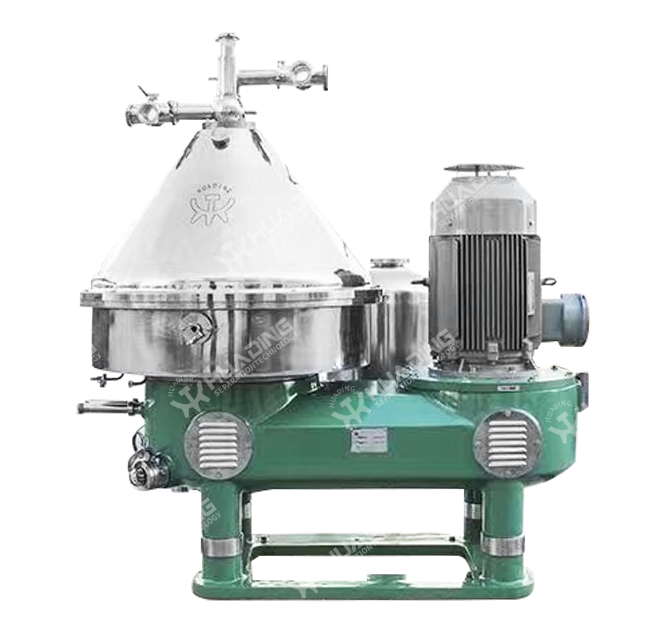
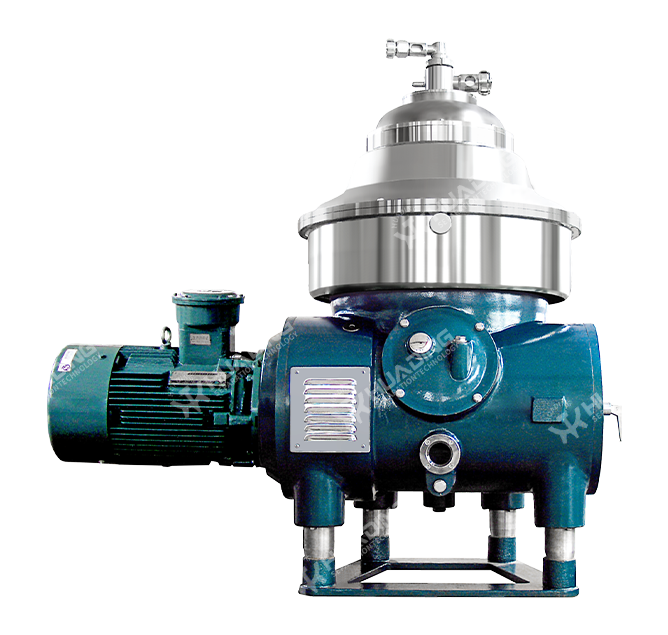
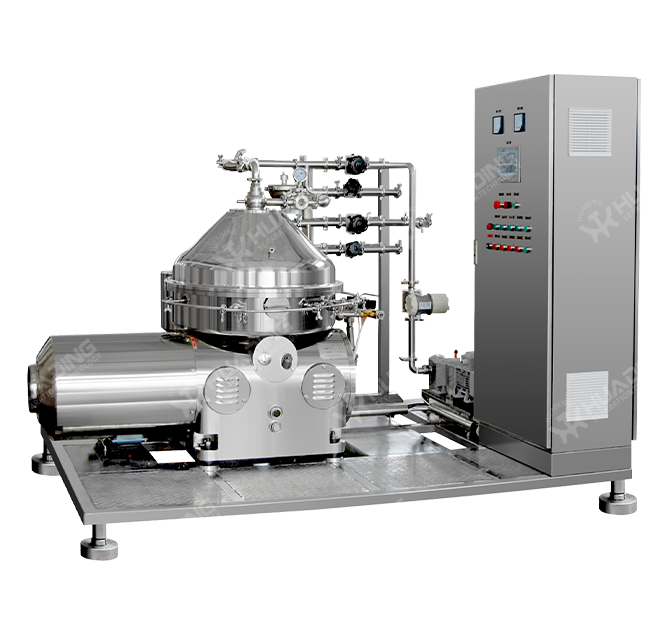
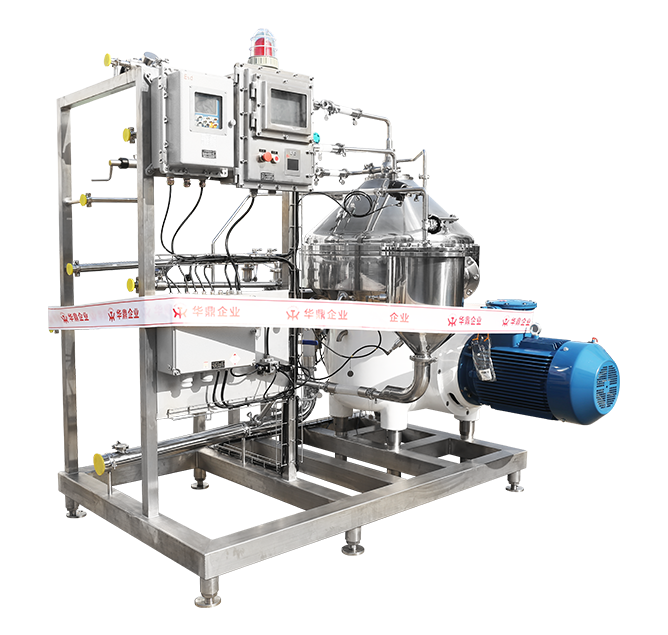
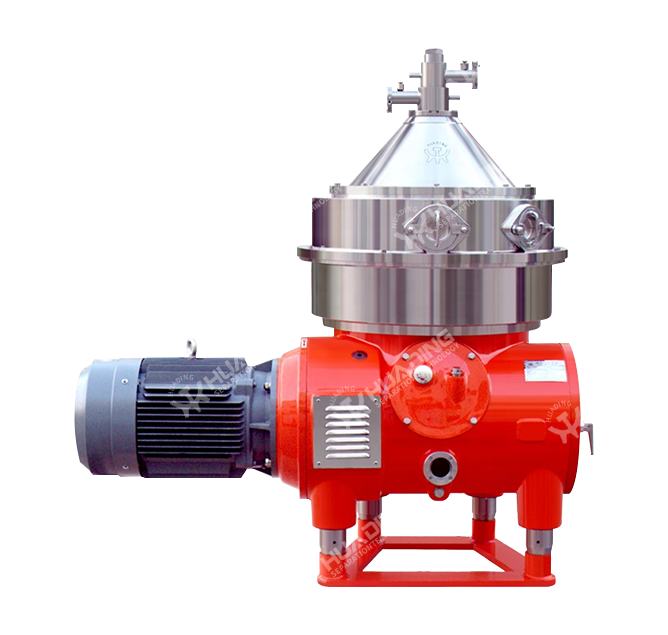
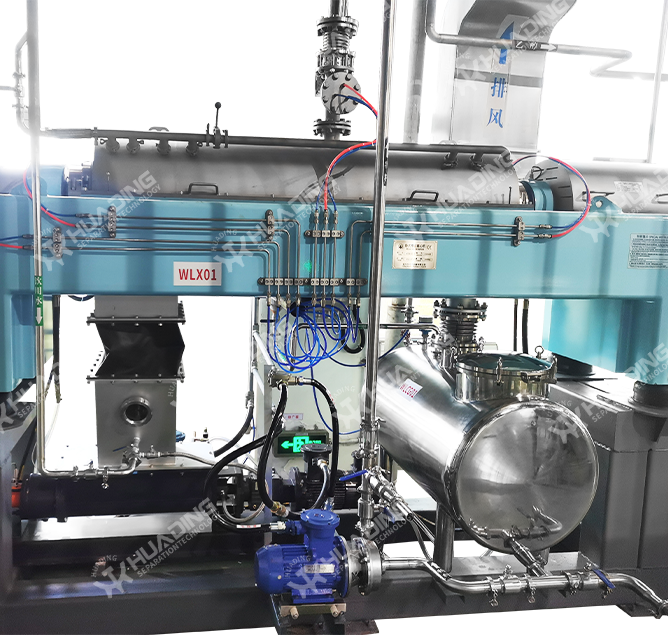
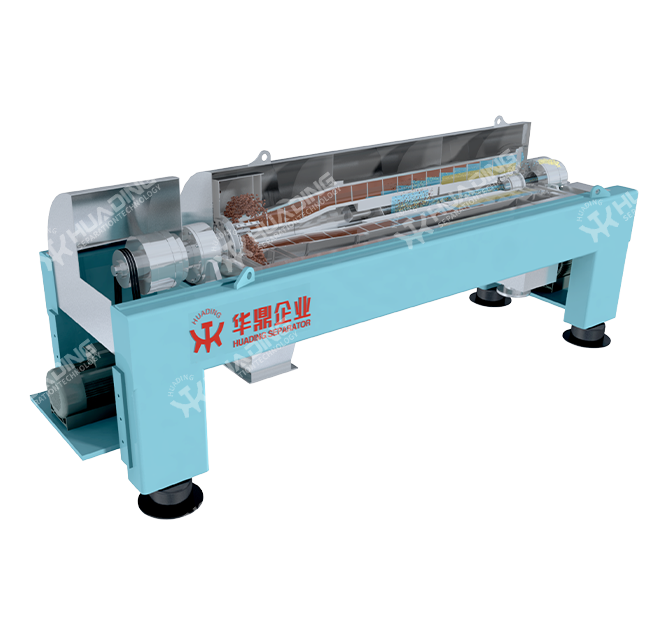
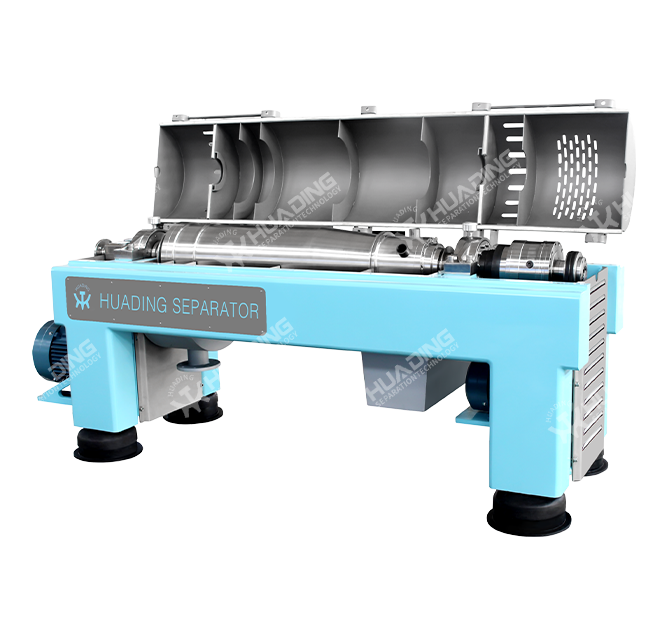
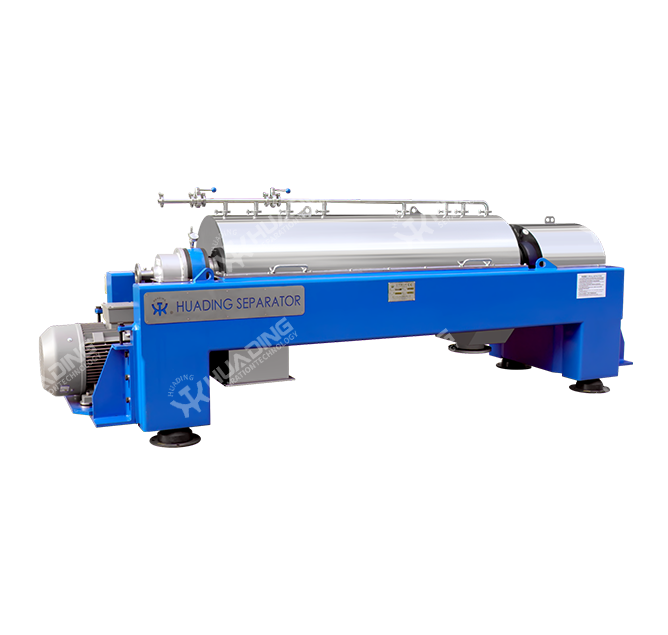
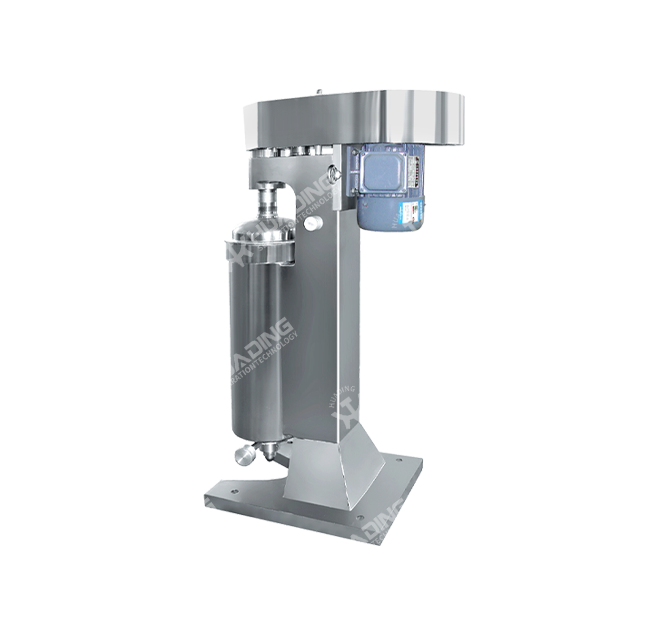
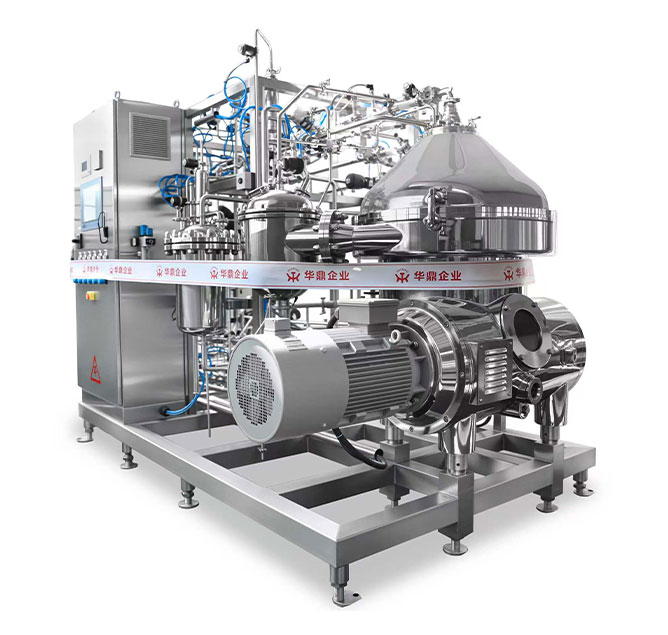
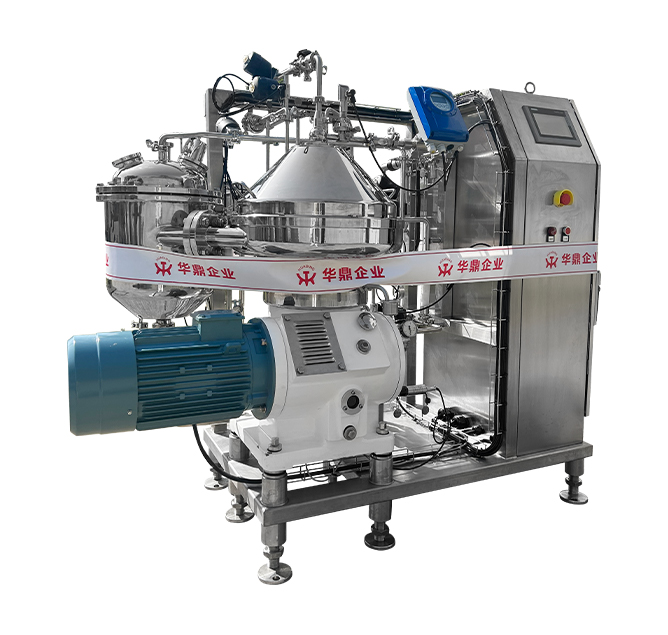
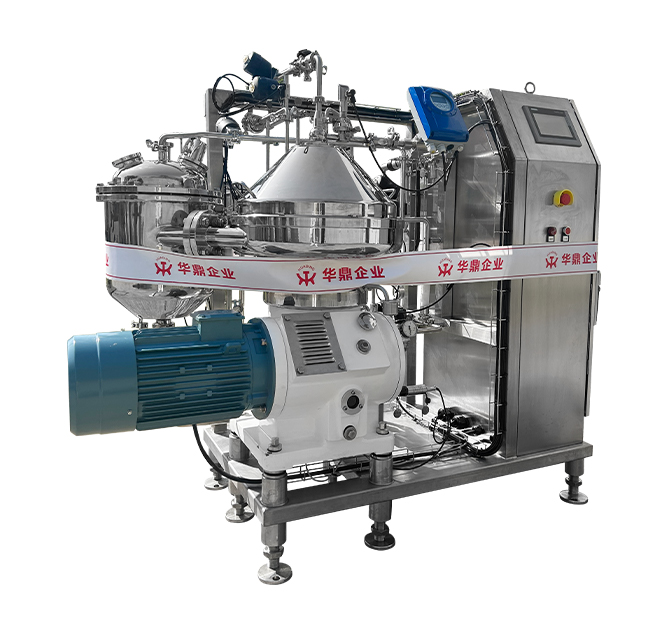
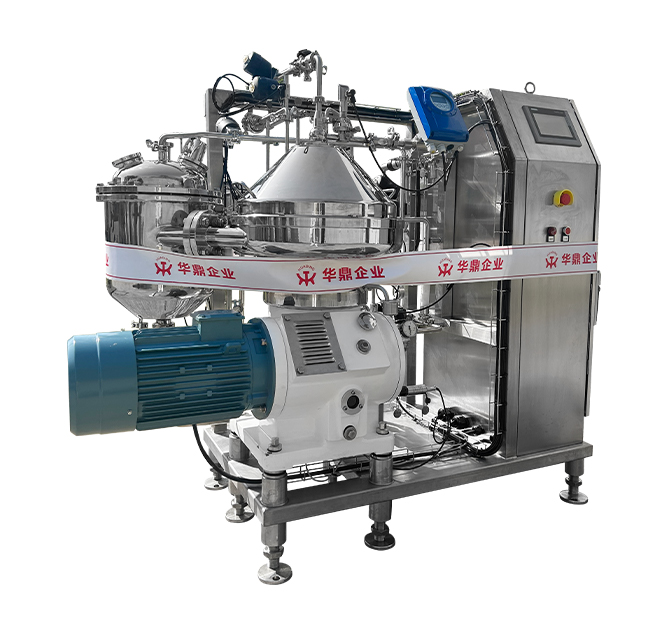
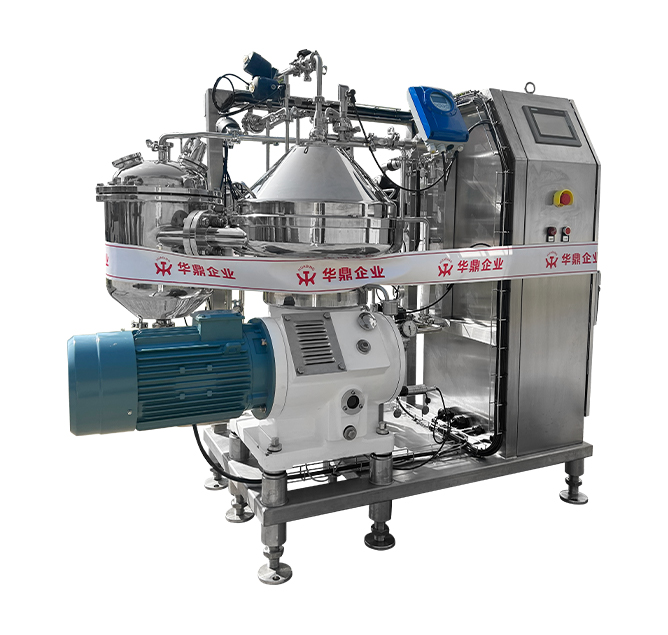
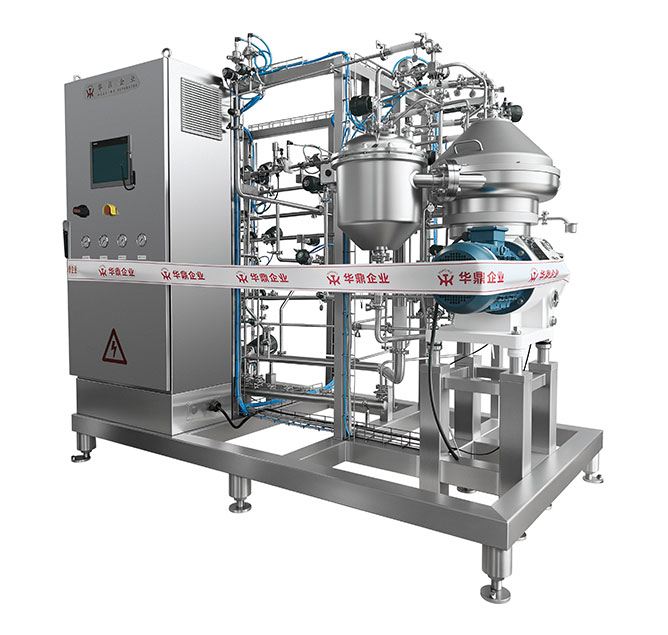
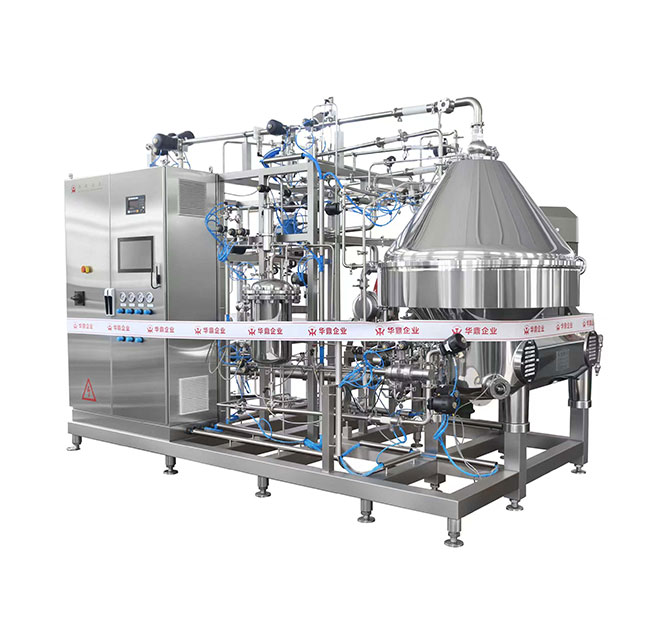
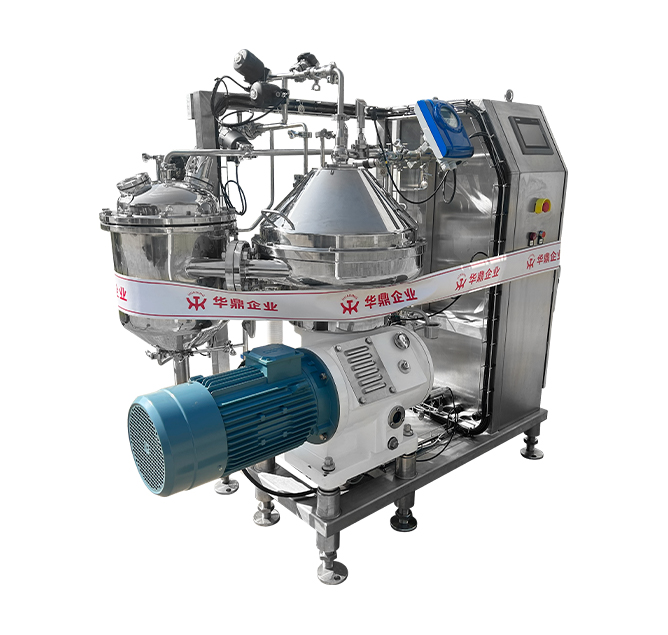
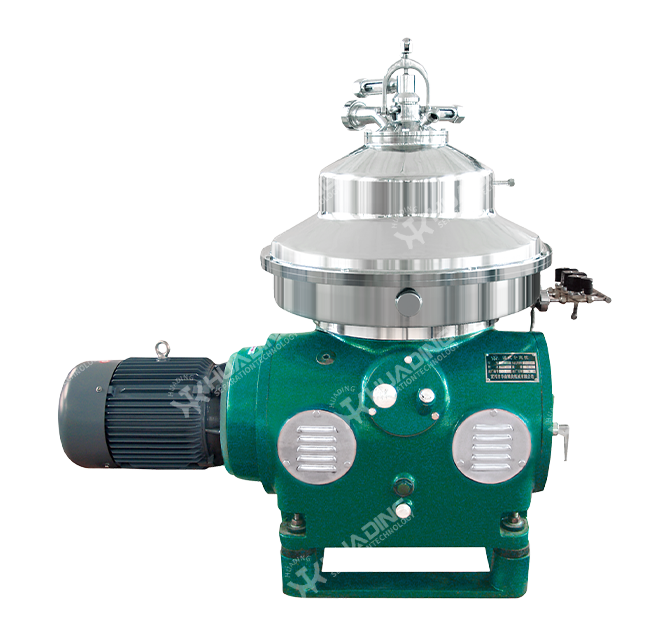
Animal fat disc separators are a highly specialized type of industrial centrifuge essential for the fat separation stage within the rendering process . Often referred to as disc stack separators , these machines utilize extremely high centrifugal forces to continuously and efficiently separate mixtures of lighter and heavier liquids, and fine solids. Specifically in the context of animal rendering, they are used to separate purified animal fat (the lightest phase) from water and very fine solid impurities (called "fines" or "sludge"). This precise and rapid separation is critical for achieving high fat quality .
Highlight their importance in the rendering industry.
The animal fat disc separator is arguably one of the most critical pieces of rendering equipment . Its importance lies in its ability to significantly enhance throughput and product quality. By effectively removing moisture and non-fat solids, these separators ensure the finished fat product meets stringent specifications for uses like animal feed ingredients, chemical production, and even biodiesel production . Without the efficiency of disc separators, achieving the required purity and dryness in the fat would be challenging, time-consuming, and would severely impact operational costs and overall rendering technology effectiveness. They directly contribute to maximizing the value recovered from raw materials and minimizing waste reduction .
Understanding the Rendering Process
Overview of the Rendering Process and its Objectives.
The rendering process is a crucial part of the recycling industry, transforming animal by-products (e.g., fats, bones, offal) from the meat, poultry, and fishing industries into valuable, usable materials. The primary objectives of rendering are:
- To sterilize the material by heat treatment, eliminating pathogens and ensuring safety.
- To recover and separate the three main components:
- Purified Fat (tallow, lard, yellow grease, etc.), which is typically sold for use in biodiesel production or chemical industries.
- Protein Meal (meat and bone meal), often used as an ingredient in animal feed production .
- Water (moisture), which is evaporated and treated.
- To reduce waste by converting what would otherwise be a disposal challenge into commercially valuable products, thereby minimizing environmental impact .
The process generally involves grinding, cooking (to hydrolyze and release the fat), pressing or centrifuging (to mechanically separate the phases), and clarification/polishing.
The Role of Fat Separation in Rendering.
Fat separation is the critical mid-to-late stage in the rendering process that determines the final fat quality and purity.
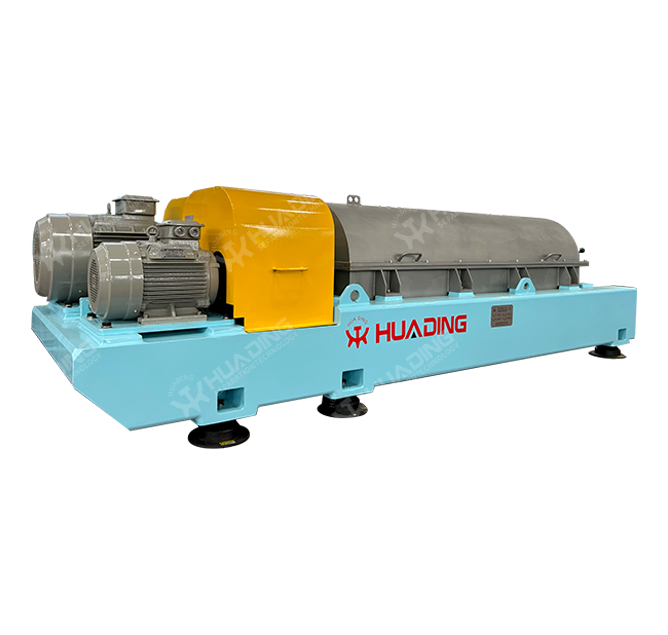
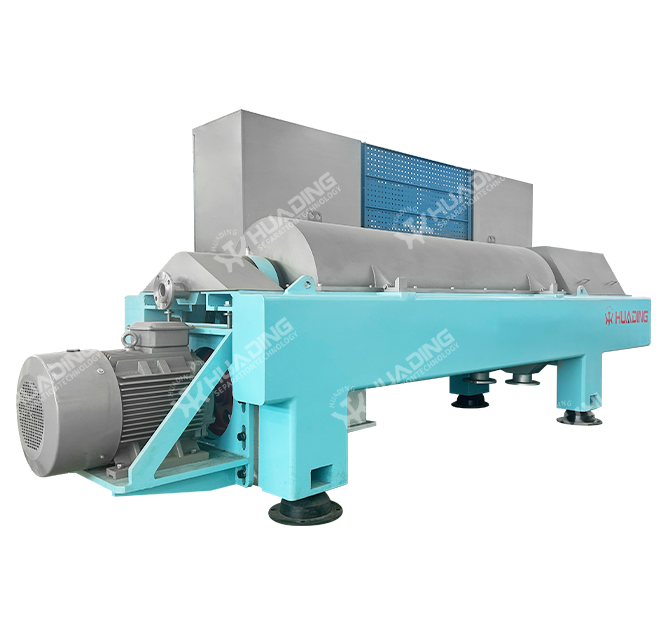
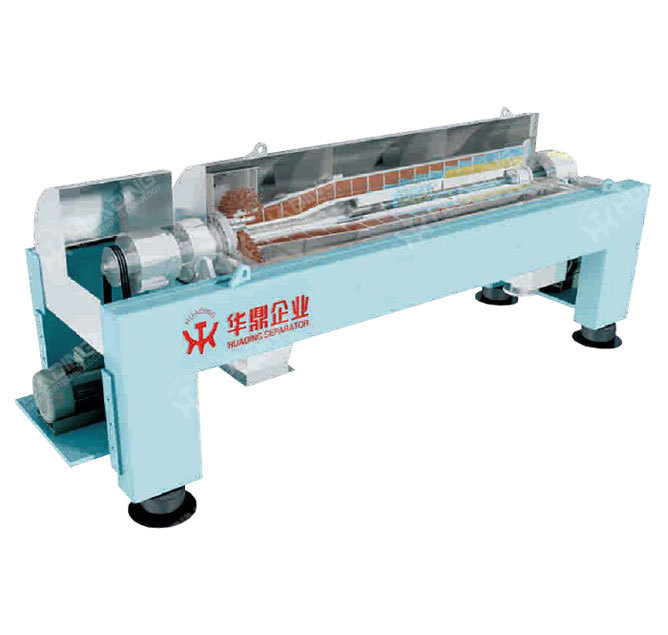
- Initial Separation: After cooking, the rendered material is typically sent to a press (like a screw press) or a decanter centrifuge for a coarse separation of the solids (meal) from the liquid phase (fat and water mixture, often called "stickwater" or "gravy").
- Fine Separation/Polishing: The liquid stream from the initial separation still contains moisture, very fine solids (fines), and residual proteins. This is where the animal fat disc separator (or disc stack separator ) comes in. Its role is to perform the final, highly efficient clarification or "polishing."
- Quality Assurance: The goal of this final fat processing step is to reduce the remaining contaminants to extremely low levels—specifically, to reduce the Moisture, Impurities, and Unsaponifiables (MIU) content. High fat quality means low MIU, which is essential for end-use industries (like biodiesel production ), directly influencing the commodity price and ROI .
Parameter Comparison: Crude vs. Polished Fat Quality
| Parameter | Crude Fat (Post-Initial Separation) | Polished Fat (Post-Disc Separator) |
| Moisture Content | Often 1.0% − 5.0% | Typically < 0.2% |
| Insoluble Solids (Impurities) | Often 0.5% - 3.0% | Typically <0.1% |
| Purity (MIU Total) | Up to 8.0% | Typically <0.5% |
| Shelf Stability | Lower (due to moisture and solids) | Higher (extended shelf life) |
| Selling Price / Grade | Lower (requires further treatment) | Higher (premium grade for end-use) |
| Suitability for Biodiesel | Limited (high pre-treatment costs) | High (direct use often possible) |
How Animal Fat Disc Separators Work
Detailed Explanation of the Working Principle.
The operation of an animal fat disc separator is based on the principle of continuous sedimentation, drastically accelerated by centrifugal force. The separator is essentially a high-speed centrifuge designed for liquid-liquid-solid separation (tricanter operation) or liquid-liquid separation (purification).
- Centrifugal Force: The separator bowl spins at extremely high rotational speeds (e.g., 5,000 to 8,000 RPM), generating a force many thousands of times greater than gravity (G force). This force is the driving factor behind the rapid fat separation .
- The Disc Stack: The mixture of hot fat, water, and fine solids from the rendering process enters the rotating bowl and is immediately directed through a critical component: the disc stack . The discs, closely spaced cones, divide the large separation area into numerous small sedimentation zones.
- Accelerated Separation: As the mixture flows through the narrow gaps between the discs, the immense centrifugal force acts upon the different phases:
- Heavier Phase (Water and Solids): The heavier components (water, fine solids, and sludge) are forced outward against the periphery of the bowl. The solids collect along the bowl wall, and the water forms the outer liquid layer.
- Lighter Phase (Purified Fat): The lightest component, the refined animal fat , is displaced inward, flowing towards the center of the bowl.
- Continuous Discharge: The separated liquids are continuously discharged from the top of the bowl through separate outlets (called 'parers' or 'centripetal pumps'). The heavier solids accumulate in the sludge space, requiring periodic or continuous discharge depending on the separator type. This ensures continuous, high-efficiency fat processing and high throughput .
Key Components and their Functions.
| Component | Function | Contribution to Efficiency |
| Rotating Bowl | The core component that holds the mixture and spins at high speed to generate the centrifugal force. | Provides the G force necessary for rapid, continuous separation. |
| Disc Stack | A series of nested conical discs that create numerous thin-layer separation channels. | Maximizes the effective settling area, dramatically increasing separation efficiency and throughput . |
| Feed Pipe | Introduces the fat/water/solids mixture into the center of the spinning bowl. | Controls the inlet flow rate, impacting overall separator capacity . |
| Centripetal Pumps (Parers) | Stationary devices positioned within the rotating liquid layers to gently scoop and pump the separated liquids (fat and water) out of the bowl under pressure. | Allows for continuous, pressurized discharge of liquids without disrupting the separation process. |
| Sludge Discharge System | Mechanism (e.g., valves, pistons, or nozzles) used to eject accumulated solids from the bowl periphery. | Enables self-cleaning or continuous solids removal, crucial for maintaining long-term operational costs and uptime. |
Animation or Diagram Illustrating the Separation Process (If possible).
A conceptual illustration of the disc separator's function would show:
- Inlet: A pipe introducing the crude fat/water/fines mixture into the center of the rotating disc stack separator bowl.
- Disc Stack Flow: Arrows depicting the mixture flowing upward through the gaps between the stack of conical discs.
- Centrifugal Action: Distinct paths for the phases: Heavy Phase (Water/Sludge) arrows pointing forcefully outward toward the bowl wall; Light Phase (Fat) arrows showing the purified fat migrating inward toward the center axis.
- Discharge: Two separate outlets: one for Purified Fat Outlet (center-top) and one for Water/Heavy Phase Outlet (mid-top).
- Solids Accumulation: The outermost edge of the bowl showing a Sludge Chamber where fine solids are collected, awaiting discharge.
Benefits of Using Disc Separators
Improved Fat Quality and Purity.
The most significant benefit of using an animal fat disc separator is the dramatic improvement in the final fat quality and purity.
- Low MIU: Disc separators are designed to remove minute particles and residual moisture that standard decanters or settling tanks cannot capture. This results in an extremely low content of Moisture, Impurities, and Unsaponifiables (MIU), typically below 0.5% and often below 0.1%.
- Enhanced Stability: By effectively removing water and solids (which contain residual enzymes and bacteria), the finished fat product becomes highly stable, significantly extending its shelf life .
- Higher Value Product: High-purity fat commands a premium price in markets like biodiesel production and high-grade oleochemicals, directly increasing the ROI of the rendering process .
Increased Efficiency and Throughput.
Disc separators fundamentally change the speed and scale of fat processing , leading to major increases in efficiency.
- Continuous Operation: Unlike batch settling or filtration systems, the disc stack separator provides a continuous, automated method for clarification. This eliminates downtime associated with cleaning settling tanks.
- High Separation Speed: The massive centrifugal forces allow for near-instantaneous separation. This capability significantly increases the total volume, or throughput , of rendered material that can be processed per hour, maximizing the facility's separator capacity .
- Reduced Footprint: Disc separators offer high throughput in a compact design, saving valuable floor space compared to the large settling tanks they replace.
Reduced Waste and Environmental Impact.
Efficient separation technology contributes positively to both waste reduction and environmental responsibility.
- Maximized Yield: By separating virtually all recoverable fat from the water and solid streams, disc separators ensure minimal valuable product is lost as waste, optimizing the utilization of the raw material.
- Cleaner Water Stream: The effective removal of fat and solids means the discharged process water (stickwater) is cleaner, reducing the load on wastewater treatment facilities and lowering associated disposal or operational costs .
- High-Quality Byproducts: The recovered fine solids (sludge) can often be recycled back into the protein meal stream, further maximizing yield and preventing valuable protein from being wasted.
Lower Operational Costs.
While the initial investment in rendering equipment like a disc separator is substantial, the long-term operational costs are often lower due to several factors.
- Energy Efficiency: Modern separator designs are optimized for energy use relative to the huge throughput they provide, often making them more efficient than alternative, slower clarification methods.
- Automation: Self-cleaning separators and advanced controls reduce the need for manual intervention, cutting labor costs and improving process consistency.
- Reduced Re-processing: Achieving target fat quality on the first pass reduces the need for costly re-heating, re-filtering, or re-processing steps, saving both time and utility expenses.
Parameter Comparison: Clarification Methods
| Parameter | Gravity Settling/Decanting Tank | Disc Stack Separator (Centrifuge) |
| Separation Force | 1 × G (Gravity) | 5 , 000 – 15 , 000 × G (Centrifugal) |
| Purity Achieved (MIU) | Typically 1.0% – 3.0% | Typically <0.5% |
| Processing Speed/Throughput | Slow (hours/days) | Extremely Fast (continuous) |
| Footprint Required | Large (requires extensive tank farm) | Compact (high capacity per square meter) |
| Required Pre-Filtering | Often necessary to protect pumps/equipment. | Less critical; handles finer particles effectively. |
| Flexibility for Feed Changes | Low (changes require long re-settling times). | High (rapid adjustments possible via control system). |
Applications in Different Industries
Food Processing Industry.
In food rendering applications (e.g., producing lard from pork fat or tallow from beef fat for human consumption), the absolute purity of the fat is paramount.
- Clarification of Edible Fats: Disc separators are used to "polish" fats and oils, removing residual moisture, protein fines, and phospholipids that can lead to rancidity, foaming, or discoloration.
- Yield Maximization: Ensures all recoverable, high-grade fat quality is extracted from the raw material stream, preventing its loss in the waste stream.
- Compliance: The low MIU content achieved by the separator is essential for meeting strict food safety and quality standards.
Animal Feed Production.
The protein meal and the recovered fat are both essential components in animal feed production .
- Fat Stabilization: The purified fat is utilized as a high-energy, binder component in formulated animal diets. Low moisture and impurity levels prevent spoilage and maintain the nutritional integrity of the feed over time.
- Protein Meal Quality: While the separator primarily cleans the fat, the efficient separation prevents excessive fat from contaminating the protein meal, ensuring the meal maintains its target protein-to-fat ratio.
Biodiesel Production.
The fastest-growing application for rendered animal fats is in the production of renewable fuels, where the fat quality directly impacts the economics of conversion.
- Feedstock Purification: Animal fats (tallow, poultry fat, yellow grease) are a common feedstock for producing biodiesel . The conversion process (transesterification) is highly sensitive to free fatty acids, moisture, and impurities.
- Lower Pre-treatment Costs: Using fat purified by a disc stack separator —which typically has moisture and solids below 0.5%—significantly reduces or simplifies the complex and expensive pre-treatment steps required before the transesterification reactor, lowering overall operational costs and improving throughput .
Other Relevant Industries.
- Oleochemicals: Purified animal fat is a base ingredient for various oleochemicals, including soaps, detergents, cosmetics, and industrial lubricants. The consistent purity provided by the separator is crucial for predictable chemical reactions.
- Pet Food Industry: Similar to animal feed, high-purity fats are incorporated into pet foods to increase caloric content and palatability while ensuring product stability.
- Fat Recovery from Wastewater: In large-scale food manufacturing, disc separators are sometimes used for final recovery of valuable fat (like dairy cream or vegetable oil) from process wastewater streams, maximizing resource utilization and aiding in waste reduction .
Types of Animal Fat Disc Separators
Animal fat disc separators are broadly classified based on how the accumulated solid impurities (sludge) are discharged from the bowl. The choice of separator type is crucial, as it depends directly on the concentration and nature of the fine solids found in the particular rendering process stream.
Classifying Separators Based on Design and Capacity.
- Clarifier vs. Purifier:
- Clarifier: Used for liquid-solid separation. The feed typically contains only two components (fat and fines). The liquid fat is discharged continuously, while the solids are removed periodically.
- Purifier: Used for liquid-liquid-solid separation (tricanter). The feed contains three components (fat, water, and fines). Both the light phase (fat) and the heavy phase (water) are discharged continuously, and the solids are removed periodically. In animal rendering, the purification (tricanter) function is the most common and critical.
- Capacity: Separators are sized based on their maximum processing rate, measured in flow units (e.g., liters per hour or gallons per minute). Separator capacity is a function of the bowl diameter, rotational speed, and the total effective sedimentation area provided by the disc stack.
Comparison of Different Types (e.g., Self-Cleaning, Nozzle Separators).
The most significant functional distinction in modern rendering equipment is the solids discharge mechanism:
- Self-Cleaning (Total Discharge or Partial Discharge) Separators:
- Design Principle: The separator bowl is equipped with a hydraulic mechanism (usually pistons) that rapidly opens and closes the periphery of the bowl.
- Operation: Solids accumulate in the sludge space. When the maximum accumulation is reached, or after a set time, the hydraulic system instantaneously "shoots" or discharges the solids, along with a small amount of liquid, into a catch tank. This happens while the machine is spinning, making the operation continuous.
- Suitability in Rendering: Ideal for streams with low to moderate solids concentration (the typical fine polishing stage). This is the most common and preferred type for final fat processing clarification due to its versatility and ease of automation.
- Nozzle Separators (Continuous Discharge):
- Design Principle: The bowl periphery has several small openings (nozzles) that remain open during operation.
- Operation: The centrifugal force continuously forces the heavy sludge (solids and some liquid) out through these nozzles.
- Suitability in Rendering: Best suited for high throughput applications where the feed stream contains a high, continuous concentration of fine solids (e.g., pre-clarification steps or very large-scale operations).
Parameter Comparison: Self-Cleaning vs. Nozzle Separators
| Parameter | Self-Cleaning (Total Discharge) Separators | Nozzle Separators (Continuous Discharge) |
| Solids Discharge | Intermittent/Periodic (Controlled "Shot") | Continuous through fixed nozzles |
| Feed Solids Concentration | Low to Moderate (Typically <3%) | High (Typically >5%) |
| Water Consumption | Low (Used only for sealing and discharge) | Moderate to High (Continuous flow through nozzles) |
| Fat Loss in Sludge | Very Low (Discharge is controlled and brief) | Moderate (Continuous fat loss with the sludge stream) |
| Maintenance Complexity | Higher (Requires maintenance of hydraulic system) | Lower (Mechanically simpler discharge system) |
| Common Rendering Role | Final Clarification/Polishing for High Fat Quality | High-volume Pre-Clarification Stage |
Maintenance and Optimization
Proper separator maintenance and optimization are crucial for maximizing the lifespan, ensuring consistent fat quality , and keeping operational costs low for this critical piece of rendering equipment .
Best Practices for Maintaining Disc Separators.
Regular, scheduled maintenance is essential for preventing catastrophic failures and ensuring the high forces generated by the separator remain balanced and safe.
- Strict Cleaning Schedule:
- CIP (Cleaning-in-Place): Implement a regular CIP process using approved chemicals (often caustic or acidic solutions) to dissolve built-up fat, protein, and mineral deposits within the bowl and disc stack. Frequent cleaning prevents performance degradation and loss of throughput.
- Mechanical Cleaning: Periodically disassemble the bowl (often every 500-2,000 operating hours, depending on the feed material) for manual cleaning of the discs, which ensures maximum separator capacity is maintained.
- Vibration and Bearing Monitoring:
- Vibration Analysis: Centrifuges rely on extremely precise balance. Regular vibration monitoring helps detect imbalances caused by uneven sludge buildup or mechanical wear (like bearings) before they lead to serious damage.
- Lubrication: Adhering strictly to the manufacturer's schedule for changing or topping up the gearbox and spindle bearing oil is vital for extending the operational life and preventing overheating.
- Check Wear Parts:
- Seals and Gaskets: Regularly inspect and replace the critical seals, especially the bowl seals and mechanical seals, to prevent leaks and maintain the pressure needed for efficient separation and hydraulic operation (in self-cleaning separators).
- Erosion/Corrosion: Inspect areas subject to wear, such as the sludge discharge ports or nozzles, and replace them when tolerances are exceeded to ensure efficient solids removal and stable separation.
Tips for Optimizing Performance and Extending Lifespan.
Optimization focuses on fine-tuning the operating parameters to match the specific characteristics of the fat being processed, ensuring peak efficiency and maximizing the return on investment (ROI).
- Temperature Control: Maintain the feed temperature within the ideal range. A higher temperature reduces the viscosity of the fat, allowing it to separate more quickly and efficiently, increasing throughput and fat quality.
- Flow Rate Adjustment: Adjust the feed flow rate (or throughput) based on the desired final fat purity. Lowering the flow rate increases the residence time of the product in the bowl, resulting in higher purity (lower MIU) but lower throughput. Finding the optimal balance is key.
- Interface Control (Parer Depth): For purifiers, the interface between the fat and water phase within the bowl is controlled by the diameter of the heavy phase outlet (the parer ring). Properly sizing the parer ring is essential to maximize the separation efficiency and ensure minimal fat loss into the water stream.
- Optimizing Discharge Cycles (Self-Cleaning Units): Adjust the frequency and duration of sludge discharges based on the actual solid content of the feed stream. Discharging too often wastes product and sealing water, increasing operational costs. Discharging too infrequently leads to sludge buildup, reduced efficiency, and potential vibration.
Parameter Comparison: Impact of Operating Variables on Performance
| Variable | Effect of Increasing Variable | Effect on Separation Performance |
| Feed Temperature | Reduces viscosity of the fat. | Positive: Increases separation speed, reduces MIU, raises throughput . |
| Feed Flow Rate | Reduces residence time in the bowl. | Negative: Decreases final fat purity, increases MIU, but raises throughput . |
| Sludge Discharge Frequency | Reduces sludge buildup time. | Negative: Increases loss of good fat/water, raises operational costs . |
| Separation G-Force | Increases settling velocity (fixed by machine design). | Positive: Dramatically improves separation efficiency, lowers MIU. |
Factors to Consider When Choosing a Separator
Selecting the correct animal fat disc separator is a critical business decision that directly impacts the efficiency, throughput, and profitability (ROI) of the entire rendering process.
Capacity Requirements.
The most fundamental factor is sizing the machine correctly for the expected volume of work. Undersizing a separator leads to low throughput and poor fat quality, while oversizing increases initial cost unnecessarily.
- Peak Flow Rate: Determine the maximum flow rate (e.g., liters per hour) of the hot liquid fat stream that needs polishing during peak operation times. The separator capacity must comfortably handle this rate.
- Future Growth: Consider the potential for facility expansion or increased rendering process volumes over the next 5-10 years. Choosing a slightly larger separator can ensure long-term compatibility and ROI.
- Holding Time: The required holding time in the bowl to achieve the desired purity is inversely related to flow rate. A larger separator (with a larger bowl and disc stack) allows for higher throughput while maintaining the necessary holding time for low MIU targets.
Fat Type and Characteristics.
The physical properties of the fat being processed significantly influence the separator design choice.
- Viscosity: Fats with higher viscosity (e.g., beef tallow processed at lower temperatures) require more powerful separation (higher G-force) or a lower flow rate to achieve the target purity.
- Solids Concentration: The percentage of fine solids in the feed stream dictates the type of discharge system needed:
- Low Solids (<1%): Self-cleaning separators are typically efficient and cost-effective.
- High Solids (>5%): Nozzle separators may be necessary to handle the continuous volume of sludge, though this comes with higher water and potential fat loss.
- Density Difference: The difference in density between the fat and the stickwater/sludge must be considered; lower density differences require a higher G-force machine to separate effectively.
Budget and ROI.
A cost analysis must go beyond the purchase price to assess the true long-term value provided by the rendering equipment.
- Total Cost of Ownership (TCO): Evaluate the purchase price plus estimated long-term costs, including maintenance spares (separator maintenance), energy consumption (operational costs), and labor for cleaning and operation.
- Return on Investment (ROI): The primary driver for ROI is the increased value of the final product. Calculate the premium received for low-MIU fat (due to the separator) compared to the price of unpolished fat, and how quickly this premium offsets the initial investment.
- Automation Features: Investing in automated controls and self-cleaning separators increases the initial budget but dramatically reduces labor costs and increases uptime, leading to better long-term ROI.
Supplier Reputation and Support.
While not a technical specification, the quality of service provided by the supplier is paramount for complex rendering technology.
- Technical Support: Access to experienced field service engineers is vital for installation, startup, troubleshooting, and emergency repairs.
- Spares Availability: Ensure the supplier maintains an adequate local or regional stock of essential wear parts (seals, bearings, discs) to minimize downtime due to long lead times for separator maintenance.
- Training: Comprehensive training for plant operators and maintenance personnel is necessary to ensure the machine runs at peak efficiency and avoids operator error.
Parameter Comparison: Decision-Making Factors
| Factor | Low Priority/Simple Application | High Priority/Demanding Application |
| Required Fat Quality (MIU) | <1.0% | <0.2% |
| Separator Capacity | Processing <10,000 L/hr | Processing >30,000 L/hr |
| Solids Handling | Intermittent, low volume | Continuous, high volume (requires robust discharge) |
| Separation Type | Clarifier (Liquid-Solid) | Purifier (Liquid-Liquid-Solid) |
| Control System | Basic manual start/stop | Fully automated controls with remote monitoring/PLC integration |
| TCO Focus | Lower initial capital expenditure | Low long-term operational costs (energy/spares) |