

พายนม
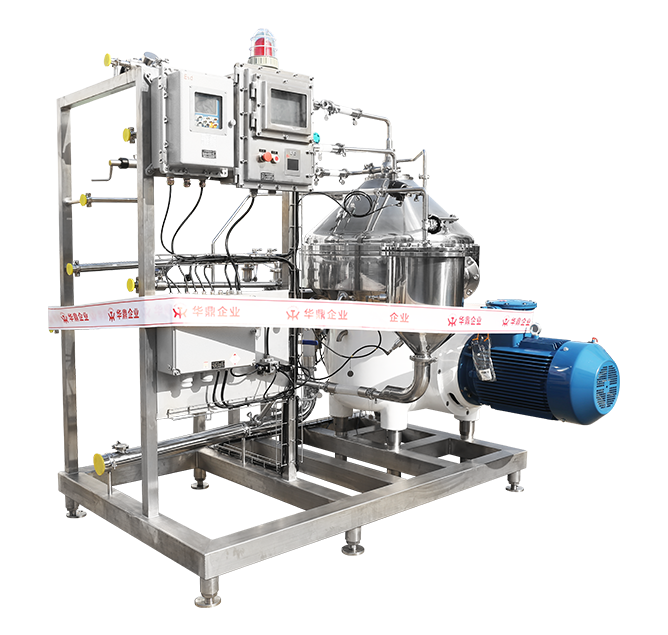
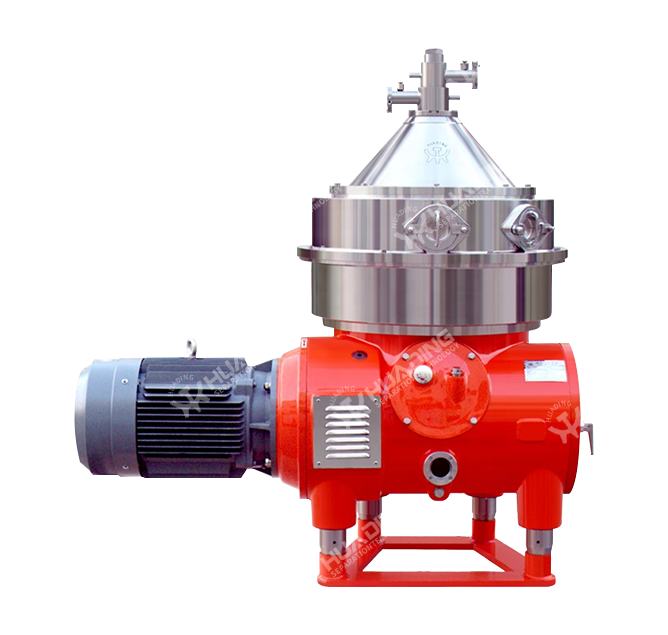
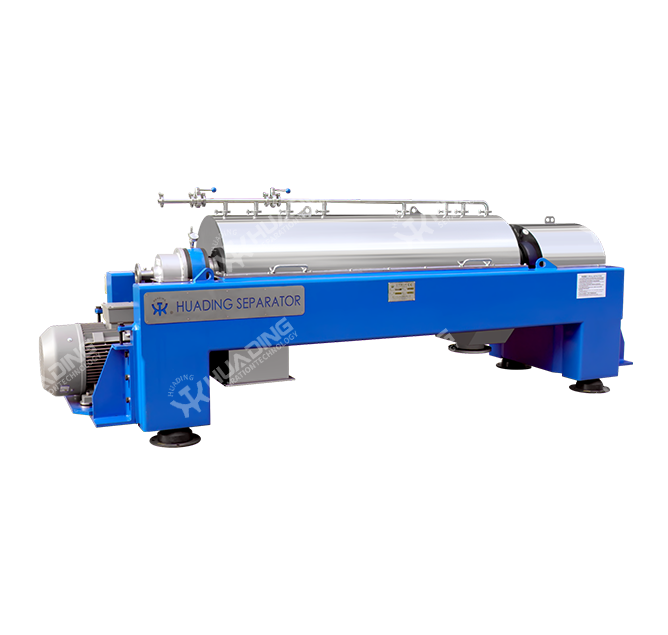
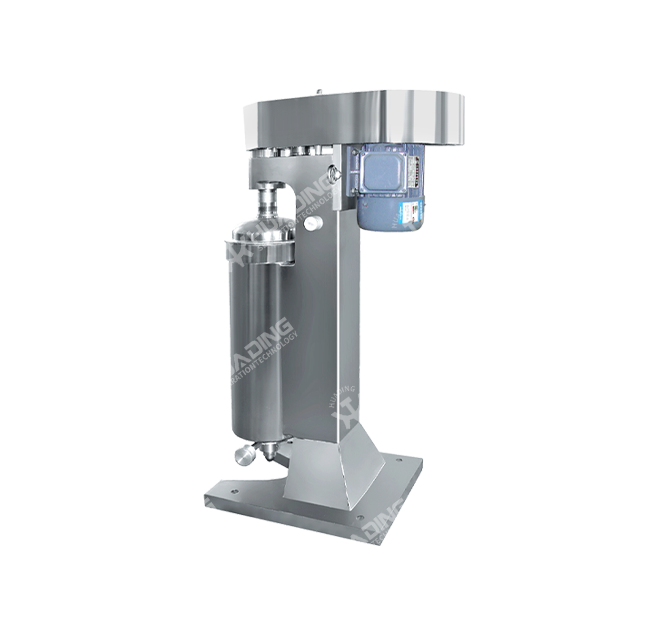
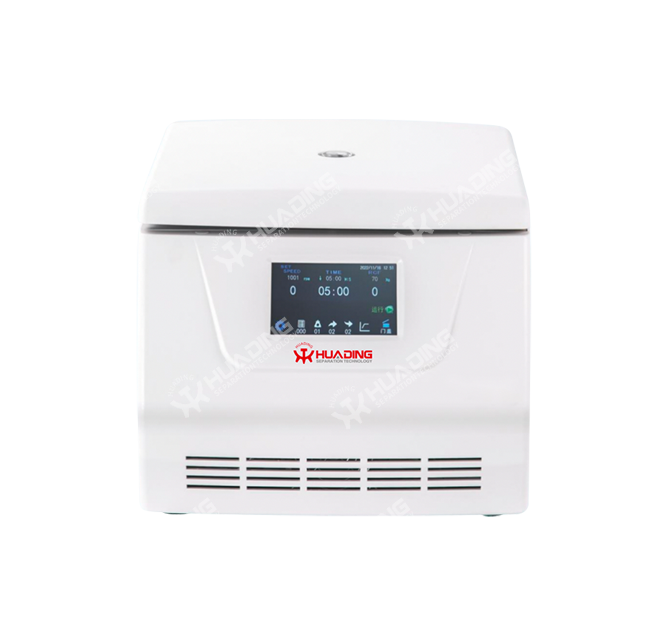
เครื่องพายแบบแรงเหวี่ยง Huading ใช้ความแตกต่างของความหนาแน่นของส่วนประกอบต่างๆ ในนม และ...
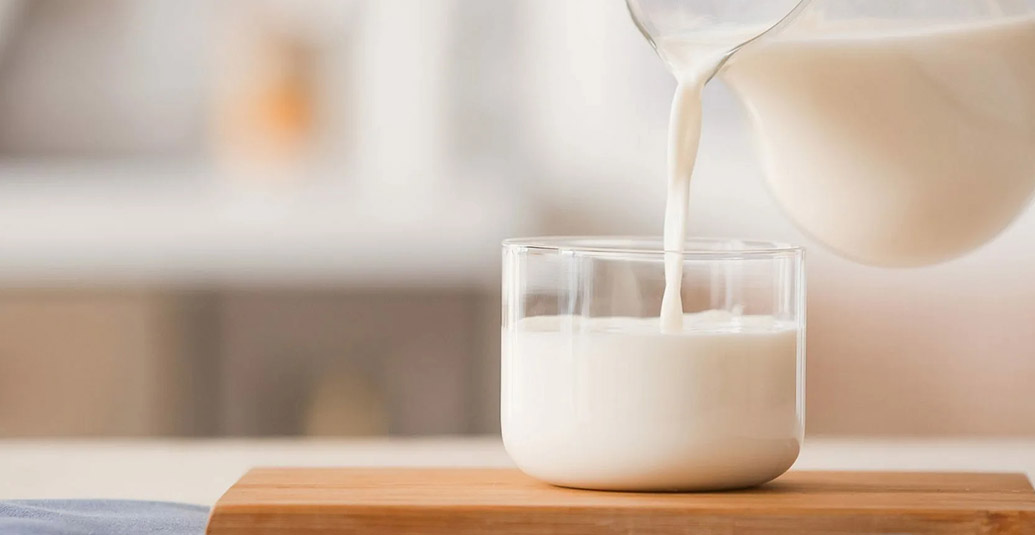
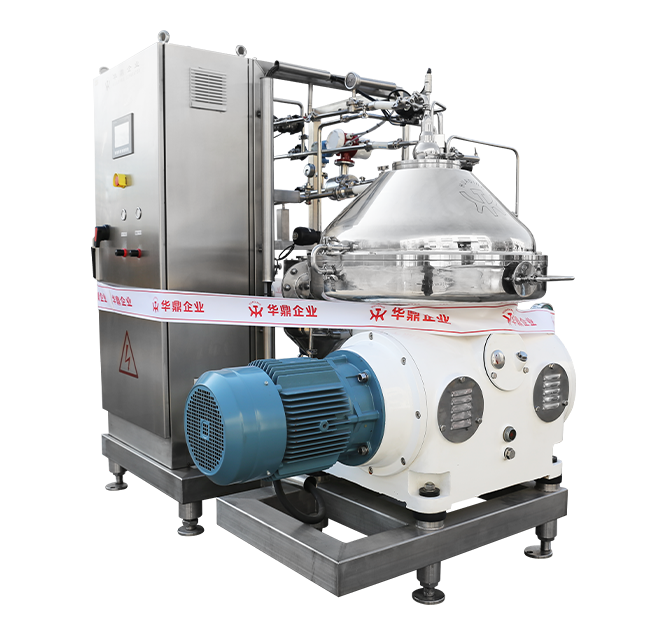
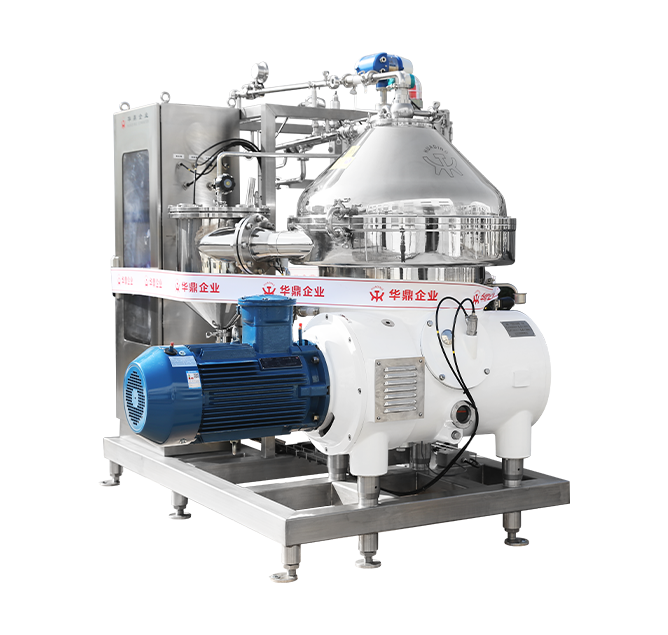
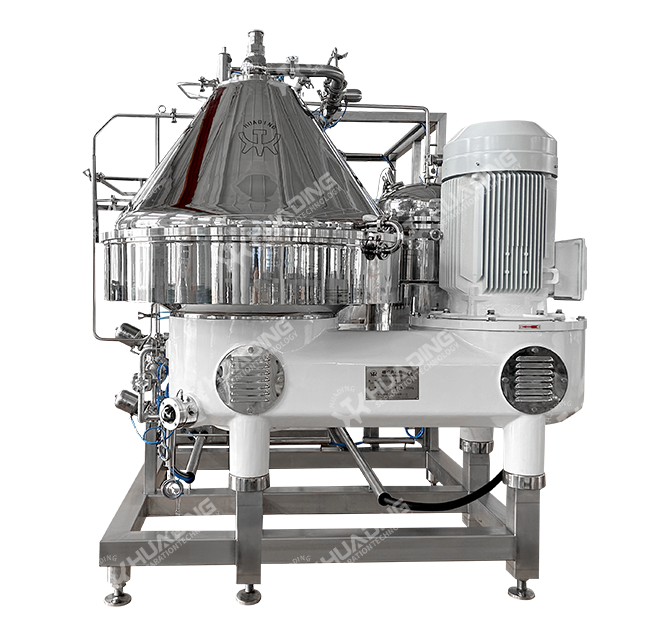
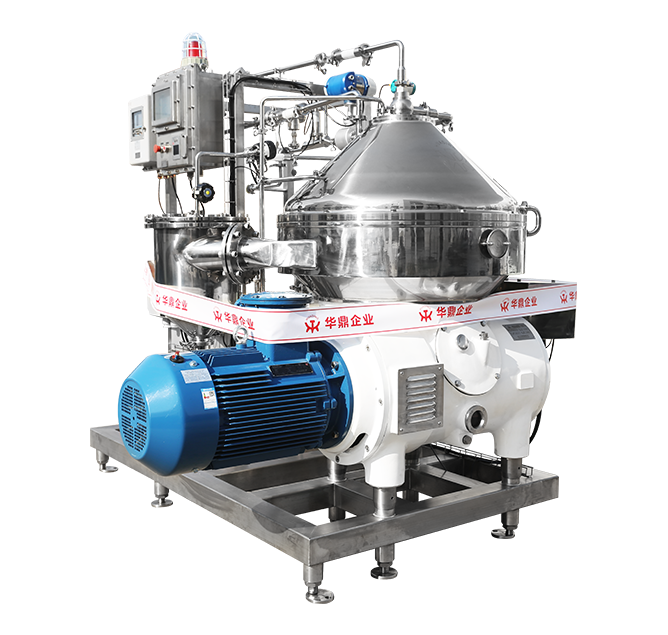
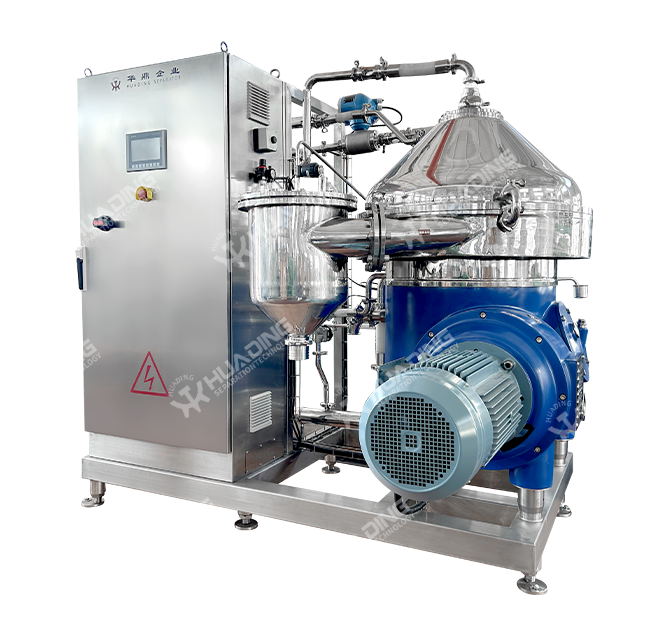
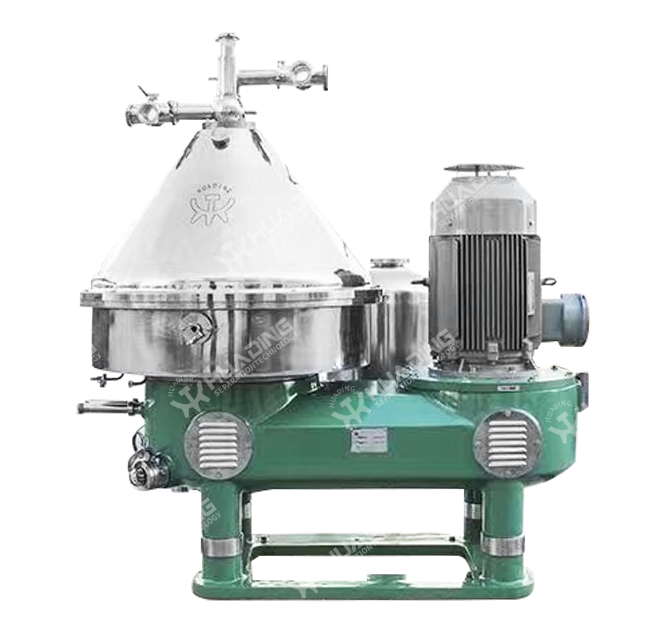
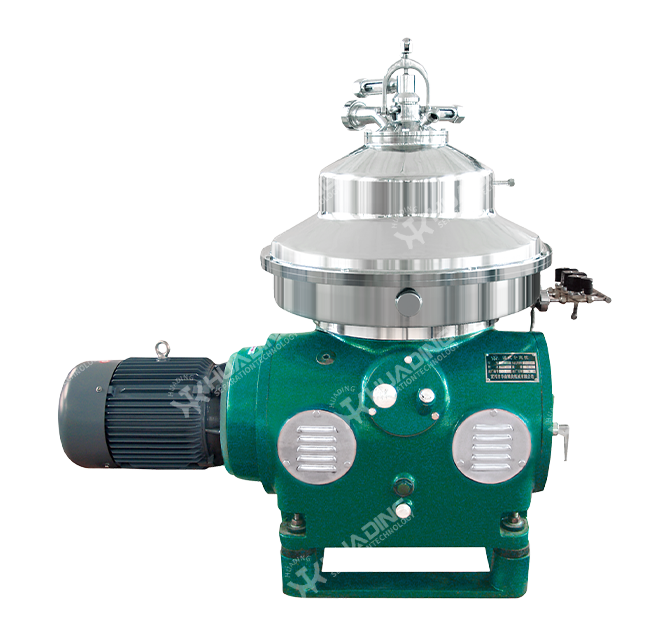
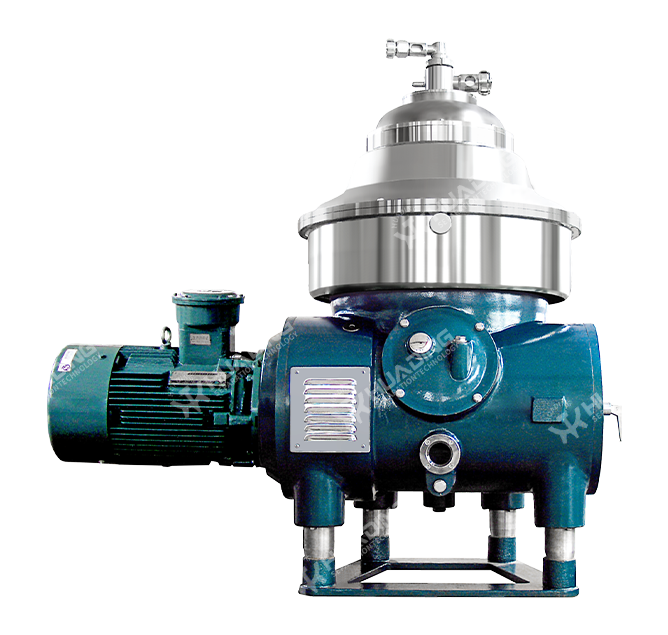
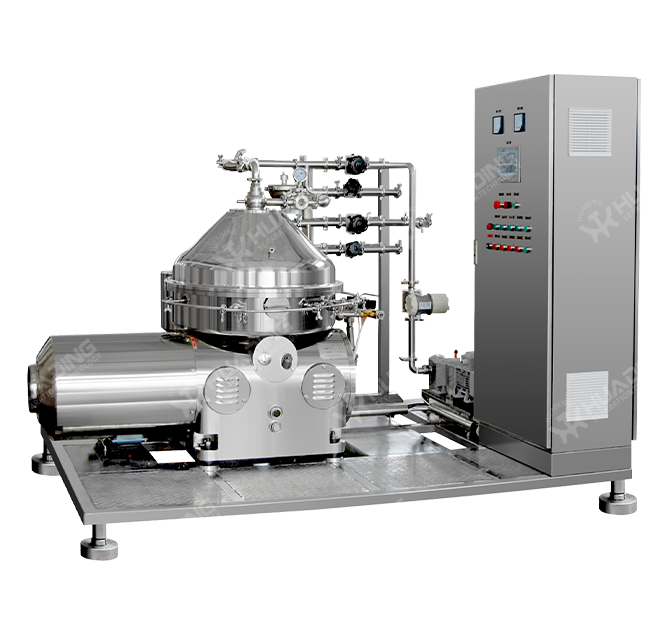
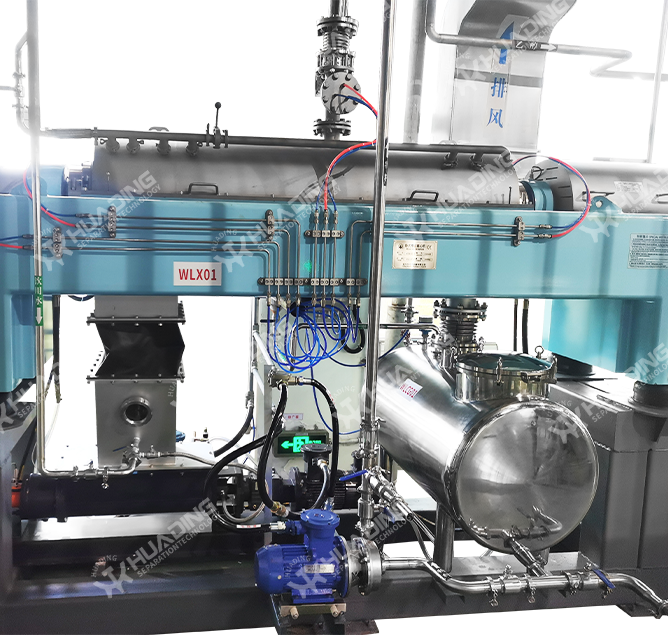
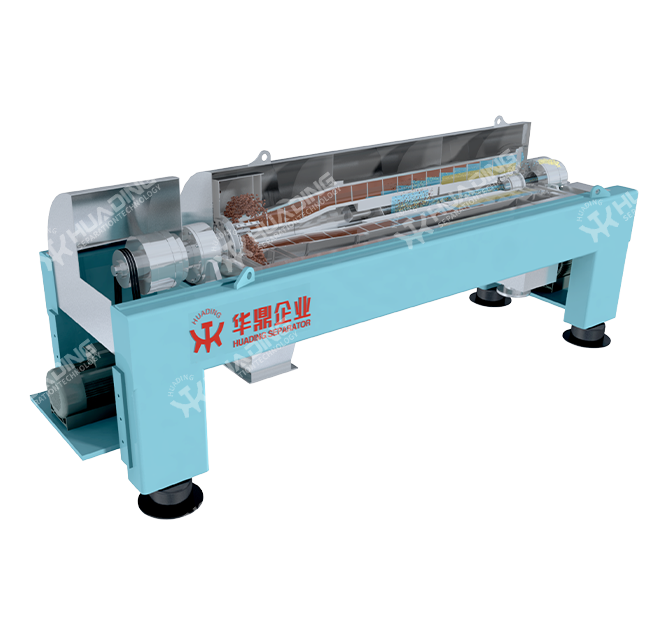
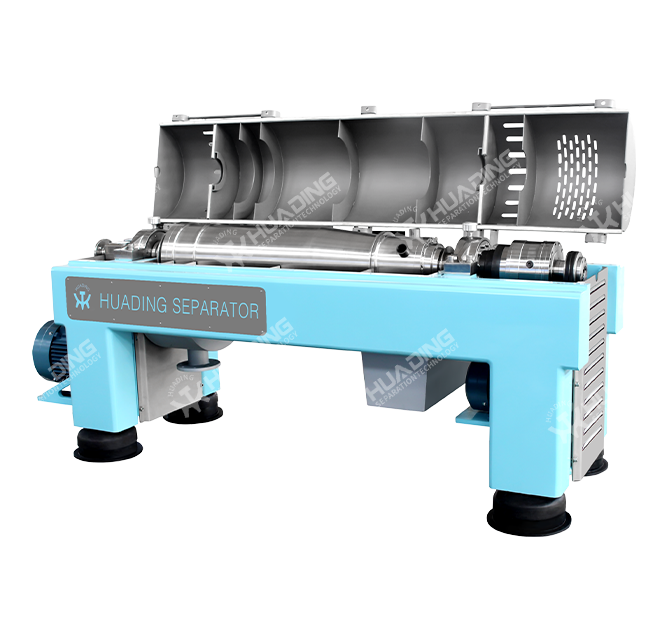
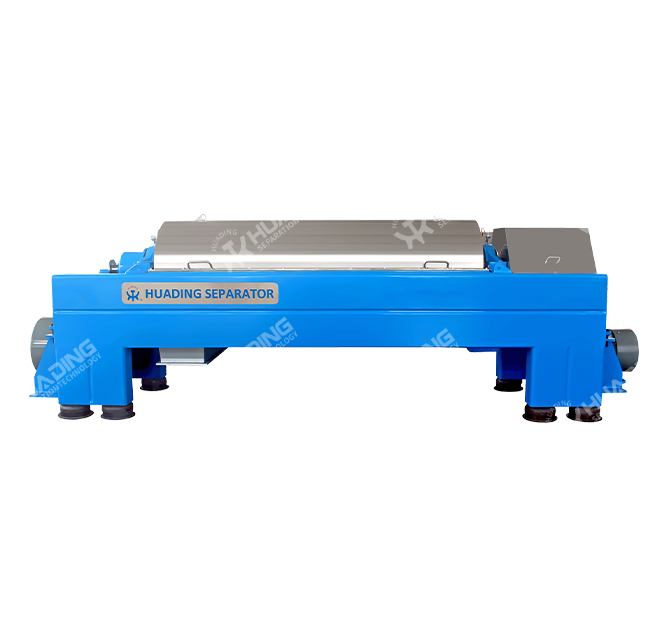
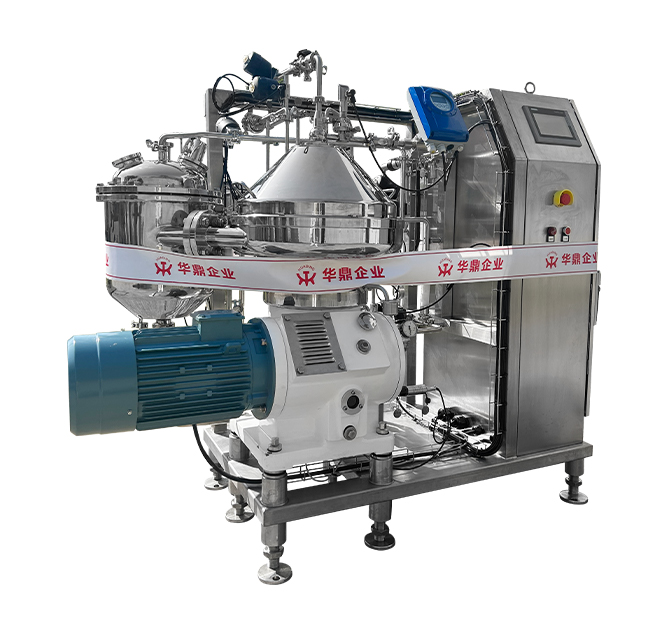
Diary Disc Centrifuge เป็นเครื่องหมุนเหวี่ยงแบบต่อเนื่องที่สามารถแปรรูปของเหลวปริมาณมาก ทำให้เหมาะสำหรับใช้ในโรงงานแปรรูปนมขนาดใหญ่ Huading Diary Disc Centrifuge เป็นเครื่องแยกแบบหมุนเหวี่ยงประสิทธิภาพสูงที่ใช้กันอย่างแพร่หลายในอุตสาหกรรมนมเพื่อแยกส่วนประกอบของนม ชี้แจงนม และขจัดสิ่งสกปรก เป็นเครื่องหมุนเหวี่ยงแบบต่อเนื่องที่สามารถแปรรูปของเหลวปริมาณมาก ทำให้เหมาะสำหรับใช้ในโรงงานแปรรูปนมขนาดใหญ่


เครื่องหมุนเหวี่ยงดิสก์ Huading Diary สามารถใช้งานได้หลากหลายในอุตสาหกรรมนม ได้แก่:
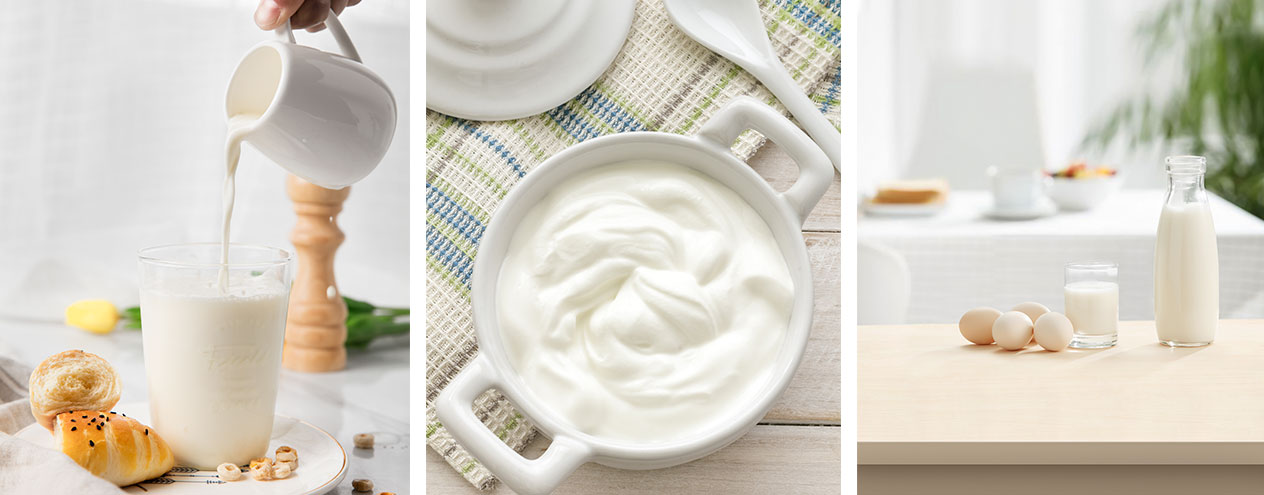
การแยกครีม
ชี้แจง
เครื่องหมุนเหวี่ยงจะขจัดสิ่งสกปรก เช่น สิ่งสกปรก แบคทีเรีย และโซมาติกเซลล์ออกจากนม เพื่อปรับปรุงคุณภาพและอายุการเก็บรักษา กระบวนการทำให้กระจ่างนี้ช่วยเพิ่มความสะอาดและความปลอดภัยของนมโดยรวม
การทำให้เป็นมาตรฐาน
เครื่องหมุนเหวี่ยงช่วยให้โรงรีดนมสามารถควบคุมปริมาณไขมันของผลิตภัณฑ์นมต่างๆ ได้อย่างแม่นยำ ทำให้มั่นใจได้ถึงความสม่ำเสมอและตอบสนองความต้องการของผู้บริโภคโดยเฉพาะ
เวย์แยก
เครื่องหมุนเหวี่ยงแยกเวย์ออกจากนมเปรี้ยวระหว่างการผลิตชีส เวย์ซึ่งเป็นผลพลอยได้อันทรงคุณค่า จะถูกนำไปแปรรูปเป็นเวย์โปรตีนเข้มข้น เวย์โปรตีนไอโซเลท และผลิตภัณฑ์อื่นๆ
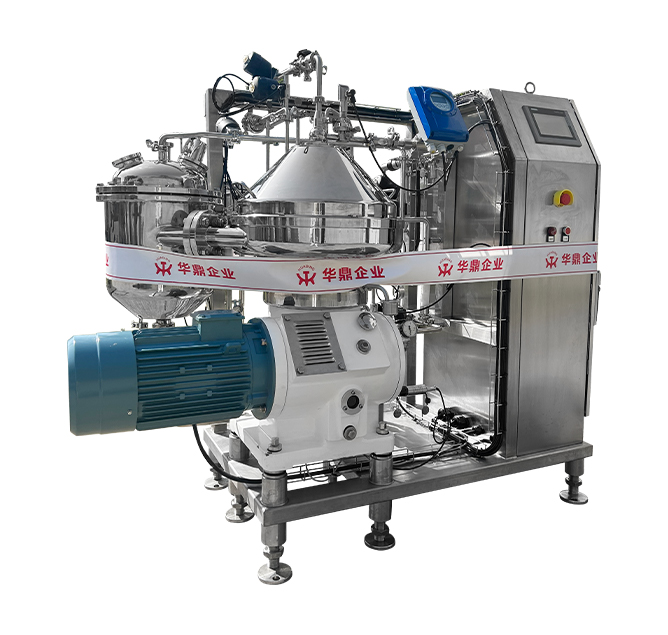
เครื่องพายแบบแรงเหวี่ยง Huading ใช้ความแตกต่างของความหนาแน่นของส่วนประกอบต่างๆ ในนม และ...
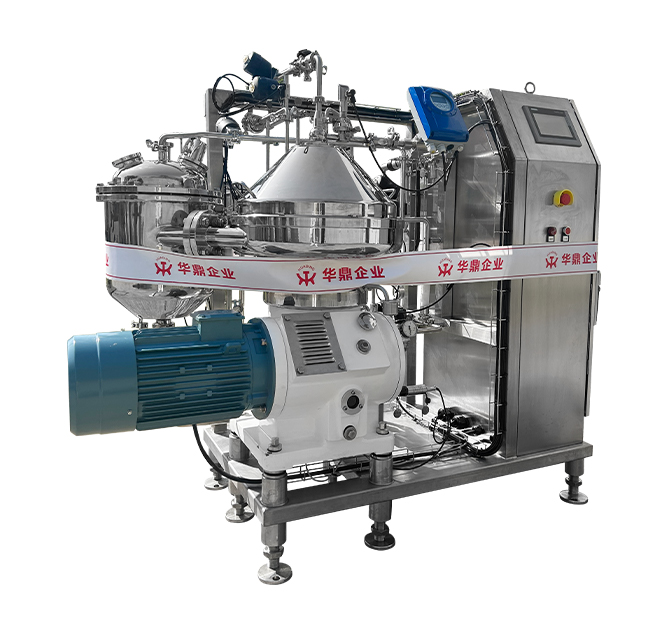
ใช้กันอย่างแพร่หลายใน: อุตสาหกรรมนม: การชี้แจงนม การกำจัดสิ่งเจือปน การแปรรูปอาหา...
การใช้งานทั่วไปของ Milk Bactofuge: การผลิตชีส: การเตรียมนมล่วงหน้าเพื่อกำจัดสปอ...
สบู่และอิมัลชัน: อุปสรรคสำคัญในการทำไบโอดีเซลให้บริสุทธิ์ ในการผลิตไบโอดีเซลทางอุตสาหกรรม ปฏิกิริยาทรานส์เอสเทอริฟิเคชั่นไม่ได้ให้ไบโอดีเซลบริสุทธิ์โดยตรง แต่ผลลัพธ...
READ MOREภัยคุกคามจากการรวมตัวของโปรตีนต่อคุณภาพยาทางชีวภาพ ในการประมวลผลขั้นปลายทางชีวเภสัชภัณฑ์ การเพาะเลี้ยงเซลล์ ระยะการเก็บเกี่ยวถือเป็นจุดที่สำคัญที่สุดจุดหนึ่งซึ่งควา...
READ MOREความไม่สมดุลของเครื่องปั่นเหวี่ยงคืออะไร? ในสภาพแวดล้อมการผลิตยา การทำงานที่มั่นคงของก เครื่องหมุนเหวี่ยงชีวเภสัชภัณฑ์ เป็นหนึ่งในปัจจัยหลักที่ทำให้มั...
READ MOREที่ เครื่องแยกแผ่นดิสก์แบบหมุนเหวี่ยง เป็นหนึ่งในอุปกรณ์กระบวนการที่สำคัญที่สุดในการกลั่นและกลั่นไขมันสัตว์ ด้วยการสร้างสนามแรงเหวี่ยงที่มีขนาดม...
READ MOREตำแหน่งการติดตั้งตัวแยกดิสก์สแต็กส่งผลกระทบต่อประสิทธิภาพ ตัวแยกดิสก์สแต็ก เนื่องจากเป็นอุปกรณ์แยกที่มีประสิทธิภาพ จึงมีการใช้กันอย่างแพร่หลายในกระบวนการแยกขอ...
READ MOREความเป็นมาของการแยกของแข็งและของเหลวในการบำบัดสารละลายเคมี สารละลายเคมีมีลักษณะเฉพาะด้วยองค์ประกอบที่ซับซ้อนและคุณสมบัติทางกายภาพที่แปรผันสูง คุณสมบัติทั่วไป ได้แก่...
READ MOREในระบบการแยกและการทำให้บริสุทธิ์น้ำมันแร่ เครื่องหมุนเหวี่ยงแบบจานทำหน้าที่เป็นอุปกรณ์หลักที่สำคัญ การเลือกที่เหมาะสมส่งผลโดยตรงต่อประสิทธิภาพการแยก ความเสถียรในการปฏิ...
READ MOREเครื่องหมุนเหวี่ยงดิสก์น้ำมันแร่ เป็นระบบแยกความเร็วสูงที่ออกแบบมาเพื่อสร้างสนามแรงเหวี่ยงที่แข็งแกร่งเพื่อการแยกเฟสที่มีประสิทธิภาพ มีการใช้กันอย่างแพร่หลายในอุ...
READ MOREA dairy disc centrifuge is a highly efficient, continuous separation device widely used in the clarification, separation, and concentration of dairy products such as milk, whey, and cream. Its core operating principle is to rapidly separate substances of varying densities by utilizing differences in centrifugal force. Since its establishment in 1954, Yixing Huading Machinery Co., Ltd. has leveraged its core technologies in clarification, purification, and concentration to continuously provide professional disc centrifuge solutions to the dairy industry, helping manufacturers improve production efficiency and product quality.
The main components of a disc centrifuge include a high-speed rotating drum, a disc stack, a feed system, and liquid and residue removal systems. Once dairy products enter the centrifuge, the high-speed rotation of the drum and the densely packed disc stack generate powerful centrifugal forces. Due to the differences in density between milk fat, whey protein, and whey, the centrifugal force forces the milk fat particles toward the central axis of the drum, while the heavier whey and impurities are discharged toward the periphery, effectively separating the liquid and solid phases. Huading Separator's dairy disc centrifuge features a precisely designed disc stack structure, significantly increasing separation area and processing capacity while maintaining the sensory quality and nutritional content of dairy products. By adjusting the speed, disc angle, and material flow pattern, operators can optimize separation for different dairy ingredients (such as whole milk, skim milk, and yogurt emulsion).
In industrial production, Huading's disc centrifuges enable continuous operation, reducing manual intervention and ensuring product stability. The equipment's flexible discharge system allows for manual or automatic discharge based on the particle characteristics of the dairy product. This design not only improves production efficiency but also extends equipment life. Dairy manufacturers can leverage Huading's specialized centrifugal equipment to efficiently perform a variety of processes, including milk fat separation, whey protein concentration, and cream dehydration, meeting the requirements of diverse product formulations and quality standards.
In addition, Huading Separator's disc centrifuges offer significant advantages in energy consumption, ease of maintenance, and system integration. The equipment's integrated intelligent control system monitors speed, temperature, flow rate, and vibration in real time, ensuring the stability of the continuous production process. By seamlessly integrating with other plant production units (such as pasteurization, dairy homogenization, and storage systems), companies can build efficient and controllable dairy production lines. Huading's design philosophy emphasizes "efficiency, robustness, and reliability," a philosophy reflected not only in equipment performance but also in its comprehensive support for customer process optimization.
| Parameter | Unit | Laboratory Model | Pilot Model | Industrial Model |
| Capacity | L/H | 500 | 5,000 | 90,000 |
| Rotational Speed | RPM | 8,000 | 6,000 | 4,500 |
| Disc Stack Number | pcs | 20 | 50 | 100 |
| Separation Efficiency | % | 85 | 92 | 95 |
| Feed Type | - | Milk, whey | Milk, cream | Milk, cream, whey |
| Automatic Discharge | - | No | Partial | Full |
During dairy production, when disc centrifuges separate products like milk, whey, and cream, milk fat, protein precipitates, or other trace impurities may accumulate inside the equipment. Failure to clean the disc centrifuge promptly or thoroughly can not only affect separation efficiency but also degrade the quality of the dairy products. Since its establishment in 1954, Yixing Huading Machinery Co., Ltd. (Huading Separator) has leveraged its core technologies in clarification, purification, and concentration to provide professional disc centrifuges and system solutions for the dairy industry. We also offer efficient cleaning methods for our equipment, ensuring a hygienic, safe, and efficient production process.
Cleansing methods for dairy disc centrifuges can be primarily categorized into three types: manual cleaning, semi-automatic cleaning, and fully automatic CIP (Clean-In-Place) cleaning. Each method has its own unique operational procedures, applicable scenarios, and efficiency.
Manual Cleaning
Manual cleaning is typically suitable for laboratory or small-scale processing equipment. During this process, the operator must first shut down the machine, disassemble key components (such as the drum, disc stack, and slag discharge device), and scrub or soak them with warm water, detergent, or disinfectant to ensure complete removal of any residue. Huading Separator's laboratory disc centrifuges are designed for easy assembly and disassembly, allowing operators to quickly complete cleaning while minimizing damage to equipment components.
Advantages: Suitable for low-volume equipment and flexible operation.
Disadvantages: High labor intensity, low cleaning efficiency, and a tendency to incomplete cleaning.
Semi-Automatic Cleaning
Semi-automatic cleaning typically incorporates the equipment's own drainage and spray systems, requiring the operator to perform partial disassembly or control the cleaning process. Huading Separator has introduced a semi-automatic cleaning function in its dairy disc centrifuges. The equipment provides a preliminary cleaning of the drum and material channel by setting the cleaning cycle and flushing pressure. This method is suitable for medium-sized or medium-volume equipment and can significantly improve production line downtime utilization.
Advantages: Reduced manual labor and higher efficiency than manual cleaning. Disadvantages: Manual intervention is still required, and the cleaning effect on complex areas is limited.
Fully Automatic Clean-In-Place (CIP) Cleaning
Fully automatic CIP cleaning is the most commonly used method in modern dairy production, especially for industrial production lines. Huading Separator's disc centrifuges can be seamlessly integrated with the CIP system, enabling continuous, automated cleaning without disassembly. The CIP system effectively flushes and disinfects the drum, disc stack, feed pipe, and slag discharge system by controlling the temperature, pressure, flow rate, and concentration of the cleaning fluid, ensuring the equipment is back in production in a short time.
Advantages:
Through cleaning, effectively removing milk fat and protein deposits.
Reduces labor costs and improves production efficiency.
Integrates with the production process, reducing downtime.
Disadvantages: High equipment investment and system maintenance costs, making it not necessarily economical for small or low-volume equipment. Huading Separator's disc centrifuges are designed with the dairy industry's stringent hygiene and efficiency requirements in mind. By optimizing the internal structure of the bowl, adding cleaning liquid spray ports, and providing fluid circulation paths, they achieve efficient and repeatable CIP cleaning. Furthermore, the equipment's intelligent control system monitors cleaning parameters such as temperature, flow rate, and pressure in real time, ensuring that each cleaning process meets food safety standards.
The following table compares the parameters of three common cleaning methods for dairy plants to consider when selecting equipment and designing cleaning solutions:
| Cleaning Method | Applicable Model | Cleaning Time | Labor Requirement | Cleaning Efficiency | Equipment Integration | Notes |
| Manual Cleaning | Lab / Small | 60-120 min | High | Medium | Low | Requires disassembly, labor-intensive |
| Semi-Automatic Cleaning | Pilot / Medium | 30-60 min | Medium | High | Medium | Partial automation, suitable for medium-scale production |
| CIP (Clean-In-Place) | Industrial / Large | 10-30 min | Low | Very High | High | Full automation, integrates with production line, high hygiene |
During high-speed rotation, dairy disc centrifuges require isolation of material, gas, and lubricant to prevent leakage, contamination, and energy loss. Depending on the fluid properties, rotational speed, and processing volume, Huading Separators typically employ mechanical seals and gas-lubricated seals.
Mechanical Seal
Mechanical seals are the most commonly used sealing method in dairy centrifuges, primarily used at the feed and discharge ports, and at the bowl bearing ends. Mechanical seals utilize a precise combination of springs, rotating rings, and stationary rings to create a stable sealing interface at high speeds, preventing dairy product leakage and air from entering the equipment.
The design of the Huading Separator's mechanical seal considers the following key factors:
Material Selection: The sealing ring is typically made of wear- and corrosion-resistant ceramic or silicon carbide to withstand the long-term wear and tear of the protein and milk fat in dairy products.
Low-friction design: By optimizing the seal surface gap and pressure distribution, frictional heat generation is reduced, ensuring long-term continuous operation.
Hygiene requirements: The mechanical seal surface is smooth, free of dead spots, and easily cleaned (CIP), meeting food safety standards for dairy production.
Mechanical seals offer the advantages of a mature structure and reliable sealing, making them particularly suitable for small and medium-sized dairy disc centrifuges. However, when operating at high speeds or processing high-solids dairy products, mechanical seals may require regular maintenance due to friction and wear. Huading Separator's standard models are designed for easy assembly and disassembly and optimized service life, making maintenance simple and efficient.
Gas-Lubricated Seal
For large or industrial-scale, high-volume dairy disc centrifuges, Huading Separator typically utilizes a gas-lubricated seal. This system creates a non-contact seal by forming an air film between the seal surfaces, reducing mechanical wear and extending equipment life.
Features of gas-lubricated seals include:
Non-contact design: The sealing surfaces do not come into direct contact, resulting in near-zero friction and suitable for high-speed, continuous operation. High Reliability: Maintains a long-term, stable seal during high-flow dairy processing, reducing the risk of leakage.
Reduced Energy Consumption: Low air film friction helps minimize power loss during high-speed drum rotation.
The Huading Separator's gas-lubricated seal also incorporates an intelligent monitoring system that monitors seal pressure and temperature changes in real time, ensuring safe equipment operation. It also facilitates integration with CIP cleaning systems, enabling continuous and automated industrial production.
The Application Value of Sealing Systems in Dairy Production
Sealing systems not only ensure equipment safety and efficiency but also directly impact dairy product quality. For example, during milk or whey separation, sealing systems prevent air ingress, reducing milk fat oxidation and protein denaturation, ensuring stable color, taste, and nutritional content in the separated products. The Huading Separator's design philosophy emphasizes "efficiency, robustness, and reliability." By rationally selecting seal types and optimizing seal structures, the dairy disc centrifuge maintains high separation efficiency and low maintenance costs during long-term continuous production. Furthermore, the Huading Separator's sealing system is highly compatible with the overall equipment design:
It supports various production capacities, ranging from 500 L/h for laboratory use to 90 ton/h for industrial use.
It is compatible with manual, semi-automatic, or fully automatic CIP cleaning, meeting the stringent hygiene and automation requirements of dairy plants.
It reduces vibration and noise during long-term operation, improving operator safety and comfort.
ลิขสิทธิ์ ©Yixing Huading Machinery Co.,Ltd. สงวนลิขสิทธิ์.

