

เรายินดีที่จะแก้ไข
ปัญหาสำหรับลูกค้า
เรียนรู้เพิ่มเติม >
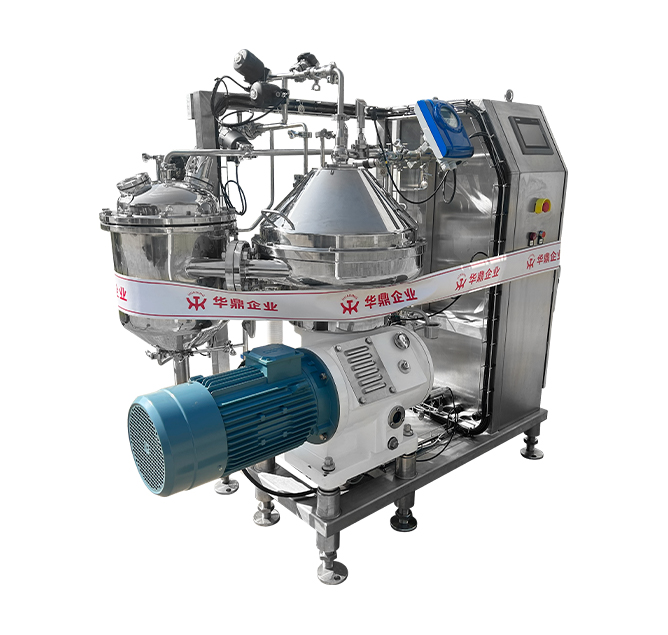
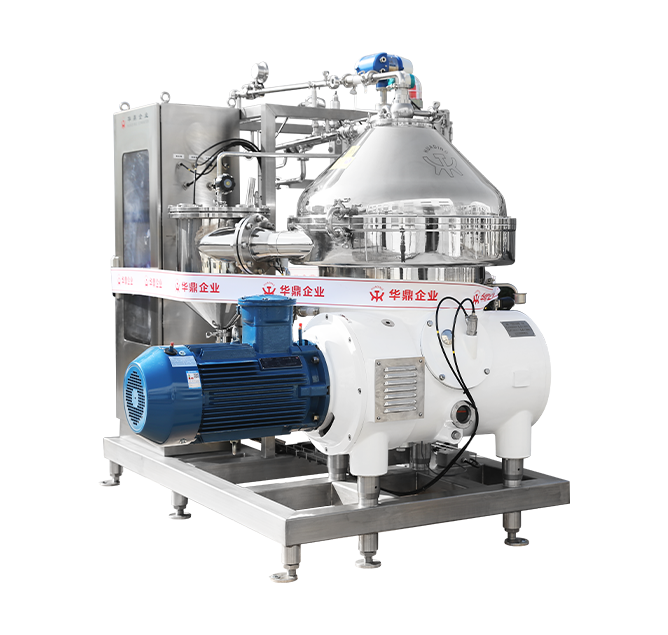
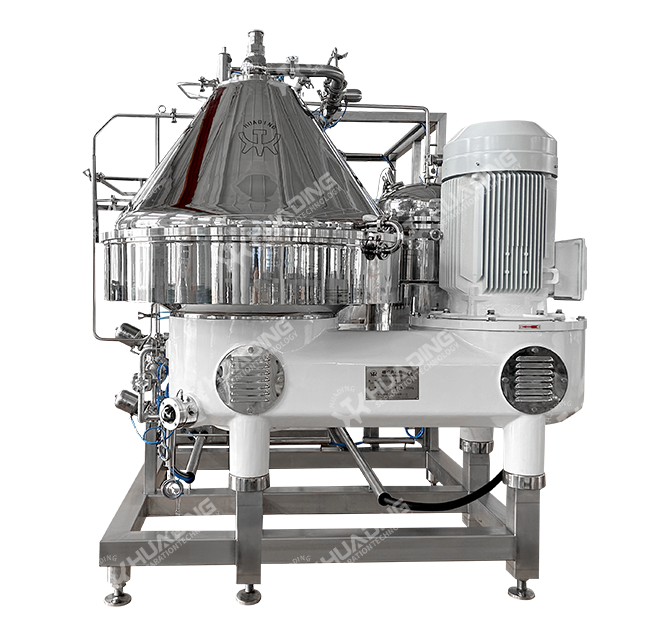
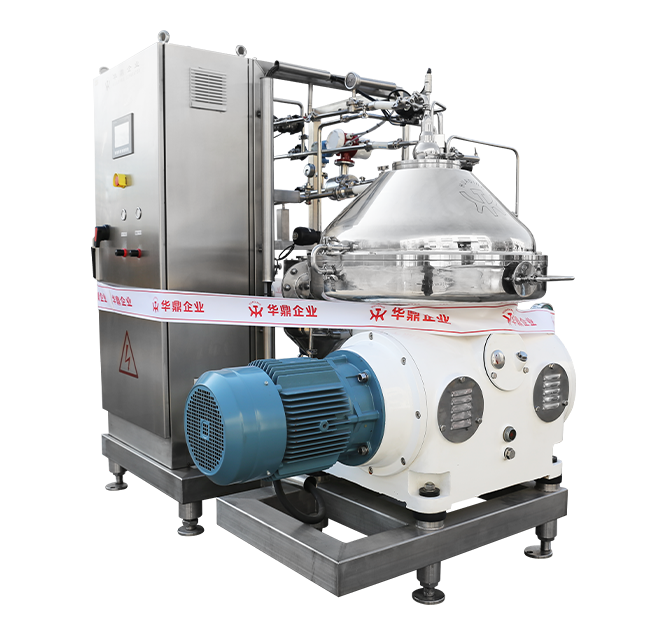
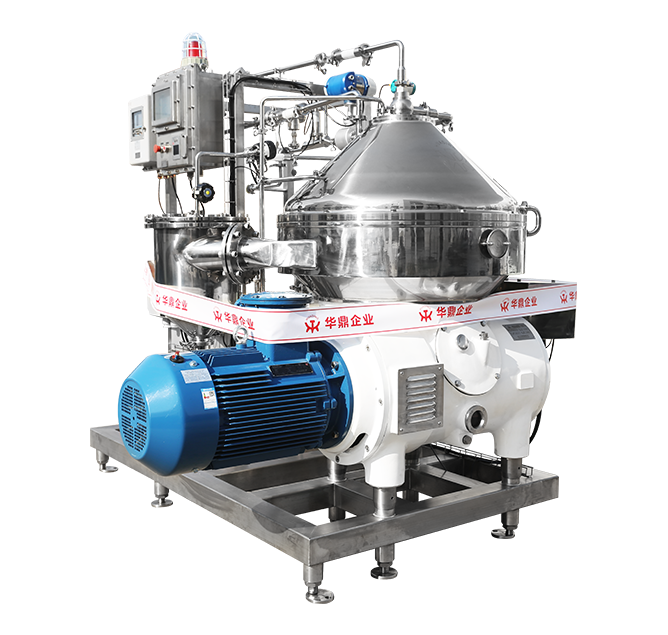
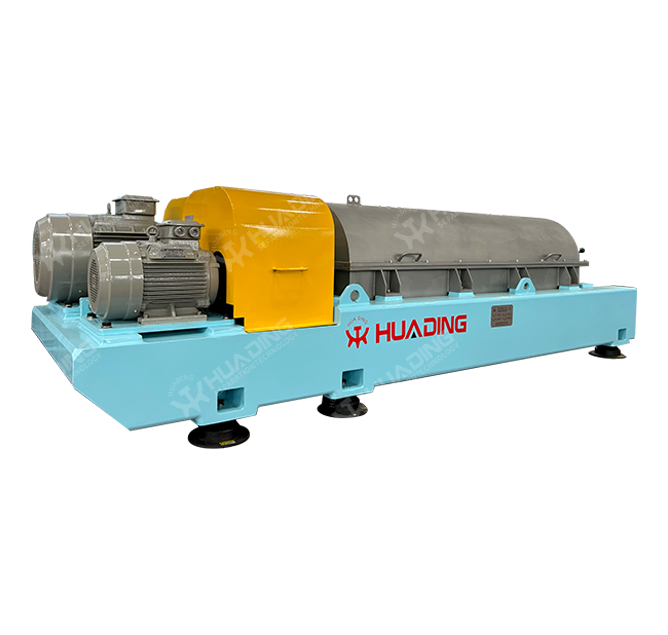
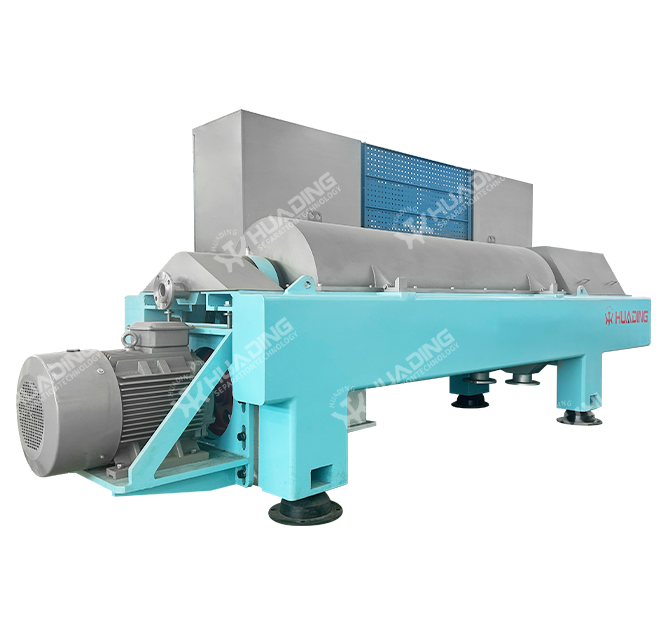
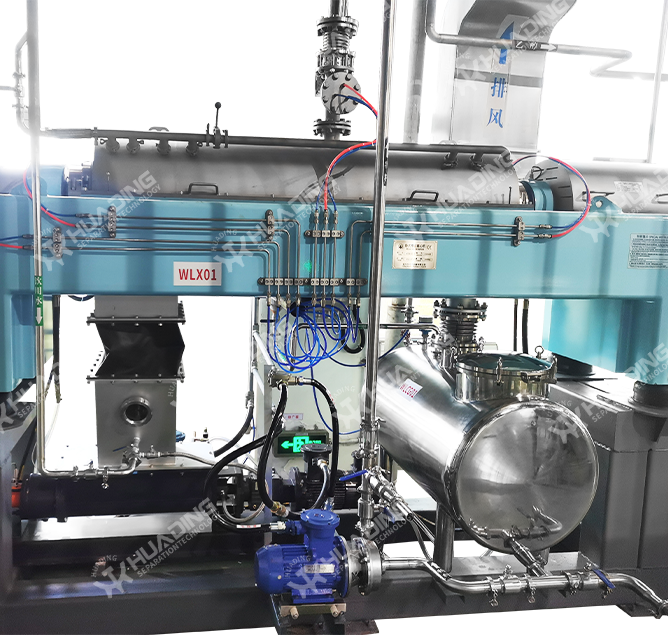
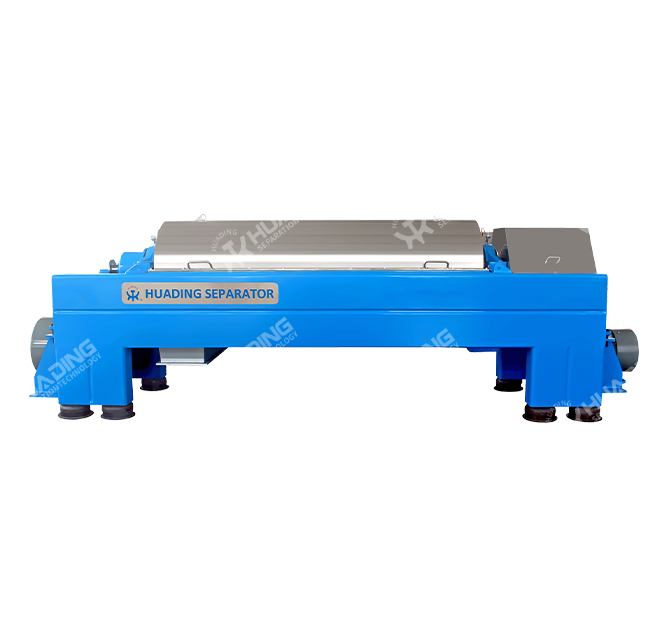
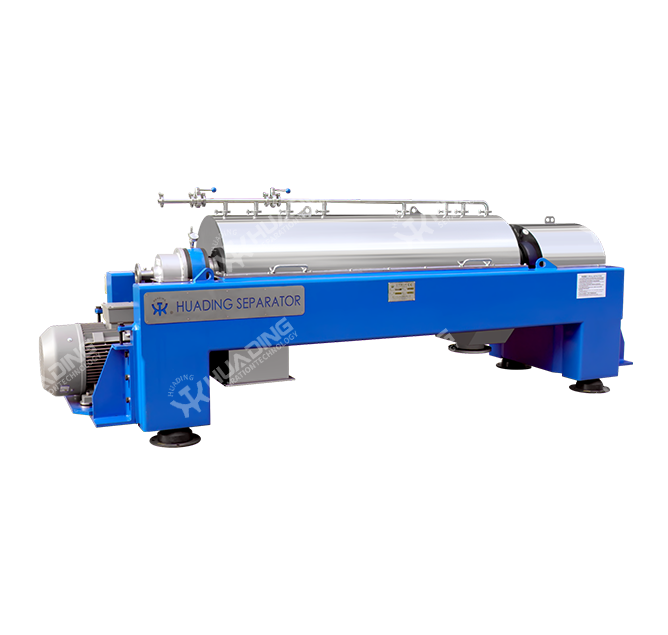
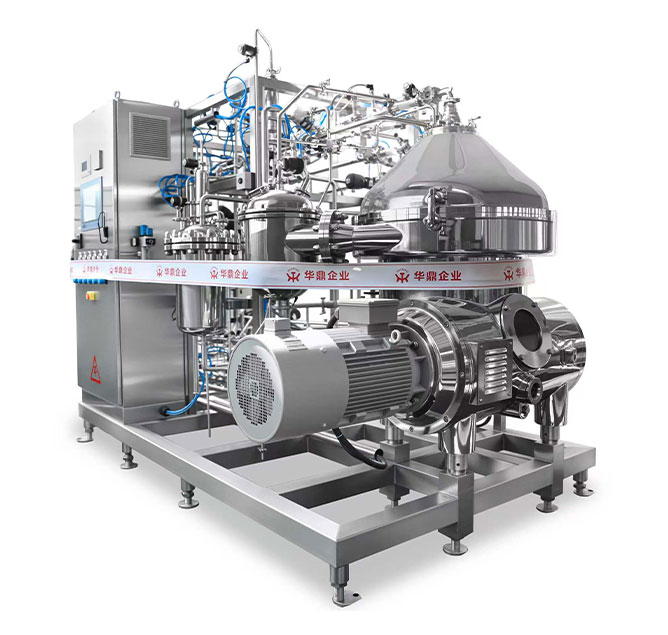
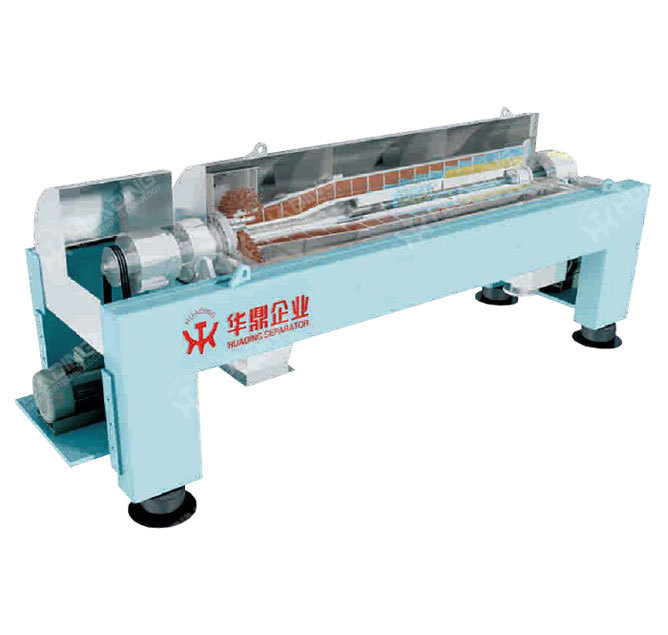
A decanter centrifuge , also known as a solid-bowl centrifuge, is a piece of industrial equipment used for the continuous separation of solid particles from one or two liquid phases.This highly efficient machine utilizes the principle of centrifugal force to accelerate the natural process of sedimentation, making it a critical component in various industrial separation processes.
The decanter centrifuge is a type of solid-liquid separation technology that is particularly effective for handling slurries with high solids concentration, where traditional filtration methods might be inefficient.It is widely used for sludge dewatering , clarifying liquids, and recovering valuable solids across a broad spectrum of industries.
The core principle behind the decanter centrifuge's operation is the application of centrifugal force . When a mixture of solids and liquids (known as the feed slurry ) is introduced into the rapidly rotating centrifuge, the immense G-force generated accelerates the settling of the denser solid particles.
Here's a breakdown of the process:
The feed slurry enters the rotating bowl through a stationary inlet pipe.
The slurry is immediately accelerated to the rotational speed of the bowl.
Due to the difference in density, the heavier solid particles are thrown outward against the inner wall of the rotating bowl under the influence of the centrifugal force.
The lighter liquid phase (or phases) forms a concentric inner layer.
This process is a highly intensified version of gravity-based sedimentation, with G-forces often reaching thousands of times the force of gravity, leading to rapid and highly effective separation.
The separated liquid, called the centrate , overflows the adjustable weir at one end of the bowl, while the settled, dewatered solids are conveyed out of the other end.
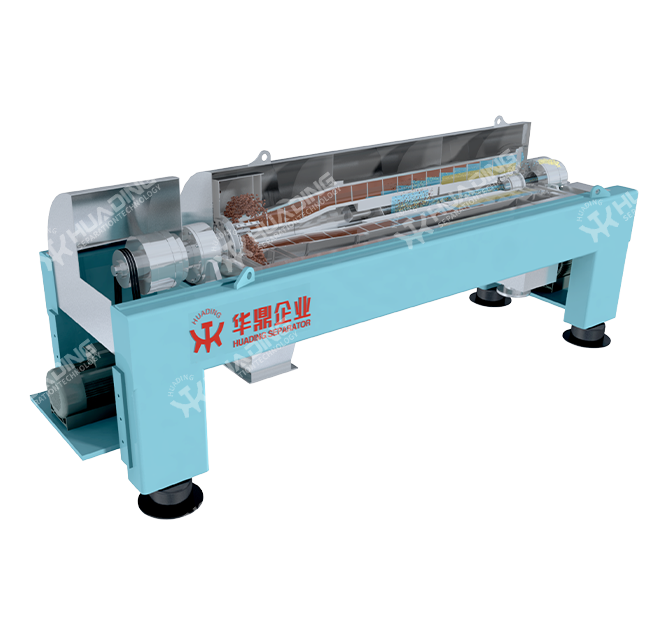
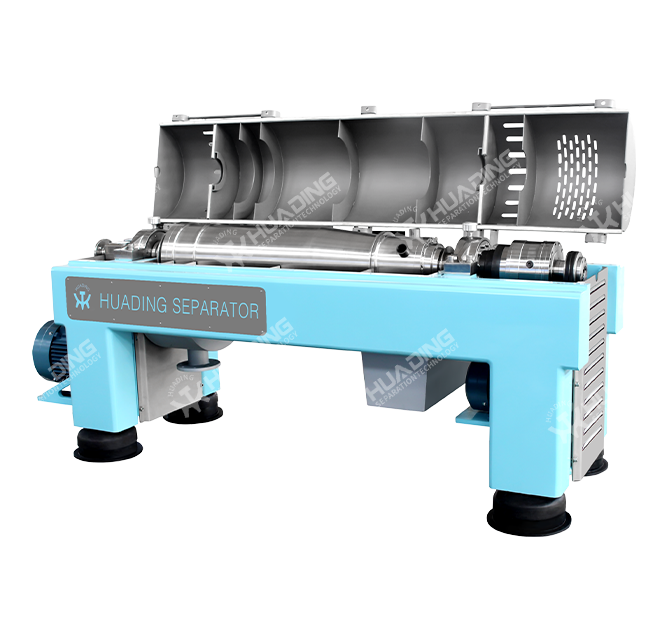
A typical decanter centrifuge consists of three main components that work in synergy to achieve continuous separation:
Rotating Bowl: This is the primary cylindrical-conical vessel that spins at high speeds.Its inner surface provides the settling area for the solids.The bowl's geometry is critical to the separation efficiency and can be adjusted for specific applications.
Scroll Conveyor (or Screw Conveyor): Located inside the rotating bowl, the scroll conveyor rotates at a slightly different speed (the differential speed ) from the bowl.Its helical flights continuously scrape the settled solids from the bowl wall and convey them towards the conical end of the bowl, where they are discharged.This differential speed is a key parameter that can be adjusted to control the residence time of the solids and thus the dryness of the final product.
Drive System: This system provides the power to rotate both the bowl and the scroll conveyor. It typically consists of an electric motor, a gearbox (often a planetary gearbox), and a secondary motor or hydraulic drive. The drive system is responsible for maintaining the precise differential speed, which directly impacts the performance of the centrifuge.
These components are housed within a casing that collects and discharges the separated liquid and solid phases. The entire system is designed for robust, continuous operation under demanding industrial conditions.
Decanter centrifuges are not one-size-fits-all machines. They are designed in various configurations to handle specific separation challenges. The main differentiators lie in the number of phases they can separate, their physical orientation, and the flow pattern of the feed slurry. Understanding these types is crucial for selecting the right equipment for a given application.
The two-phase decanter centrifuge is the most common and fundamental type. Its primary function is to separate a single solid phase from a single liquid phase. This is the configuration described in the introduction, where the machine produces dewatered solids and a clarified liquid (centrate).
The process involves:
Feeding : The solid-liquid mixture (slurry) is introduced into the rotating bowl.
Sedimentation : Due to the high centrifugal force , the denser solids settle against the inner wall of the bowl.
Conveying : The scroll conveyor , rotating at a slightly different speed, moves the settled solids towards the conical end.
Discharge : The dewatered solids are discharged through ports at the small end of the bowl, while the clarified liquid overflows a weir at the larger cylindrical end.
These centrifuges are the workhorses of industries like wastewater treatment for sludge dewatering , and in chemical processing for the separation of precipitates. Their simplicity and robust design make them ideal for a wide range of industrial applications.
A three-phase decanter centrifuge , also known as a tricanter, is a more complex and specialized machine designed to separate a mixture of three distinct phases: a single solid phase and two immiscible liquid phases (e.g., oil and water). This is particularly useful in industries like oil and gas and food and beverage .
Key differences from a two-phase decanter include:
Dual Liquid Discharge : The bowl is equipped with two separate liquid discharge systems.
Internal Weirs : The two liquid phases (e.g., a lighter phase like oil and a heavier phase like water) form two concentric layers inside the bowl. Internal weirs or dams are used to separate these layers. The heavier liquid phase is discharged closer to the bowl wall, while the lighter liquid phase overflows a weir closer to the rotational axis.
Solid Discharge : The solids are conveyed and discharged in the same manner as in a two-phase decanter.
The applications for three-phase decanters are highly specific. In the oil and gas industry , they are used for separating drilling muds into oil, water, and solids. In the food sector, they are vital for tasks like separating olive oil from water and pomace (solids) or clarifying fruit juices and separating out pulp and oil. The ability to handle three-phase separation in a single, continuous process makes them highly efficient and valuable for these specialized tasks.
Decanter centrifuges are primarily classified by their operational orientation.
Horizontal Decanter Centrifuge : This is the most common type, with the axis of rotation positioned horizontally.
Advantages : Ease of access for maintenance and cleaning. The design allows for a relatively simple drive system. They are generally more widespread and available in a wider range of sizes and capacities.
Disadvantages : Can require a larger footprint. The horizontal orientation means the feed slurry and discharged phases must be managed from different ends.
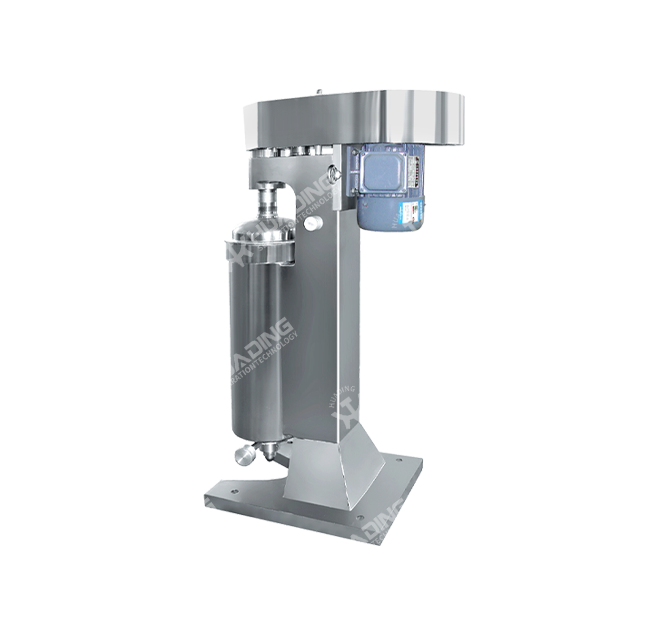
Vertical Decanter Centrifuge : This type has a vertical axis of rotation.
Advantages : Smaller footprint, making them suitable for installations with limited space. The vertical orientation can also simplify the collection of discharged materials by using gravity.
Disadvantages : Maintenance can be more challenging due to the vertical design. They are less common and may be more specialized for certain high-pressure or specific applications.
The choice between a horizontal and vertical centrifuge often comes down to available space, maintenance protocols, and specific process requirements. For most standard applications, the horizontal decanter is the preferred choice.
The flow pattern of the liquid and solids within the bowl also defines different types of decanter centrifuges.
Countercurrent Flow (Standard Decanter) : In this configuration, the feed slurry enters the bowl in the middle, and the separated solids are conveyed towards the narrow end while the liquid flows towards the opposite, wide end. The liquid flow is counter to the solid conveying direction. This is the most common design, as it allows for a longer clarification zone for the liquid, resulting in a cleaner centrate.
Concurrent Flow (Co-current Decanter) : In this less common design, both the solids and liquid phases flow in the same direction, from the feed inlet towards the wider end of the bowl. The clarified liquid overflows at the same end where the dewatered solids are discharged. This design is sometimes used for specific applications where the separation is less critical and the goal is primarily to handle high volumes of slurry with low solids concentration.
The countercurrent design is generally favored for its superior separation efficiency and is the standard for most industrial wastewater treatment and dewatering applications. The concurrent design is a more niche application for specific process needs.
Decanter centrifuges are incredibly versatile machines, with a wide range of applications across numerous industries. Their ability to efficiently and continuously separate solids from liquids, often under challenging conditions, makes them an indispensable tool for processes ranging from waste management to product recovery.
One of the most significant and widespread applications of decanter centrifuges is in the field of municipal wastewater treatment and industrial wastewater treatment . Here, they are primarily used for sludge dewatering and thickening.
Sludge Dewatering : Wastewater treatment processes generate a significant amount of sludge, which is a slurry with high water content. Transporting and disposing of this liquid sludge is both costly and environmentally challenging. A decanter centrifuge effectively separates the water from the solid matter, dramatically reducing the volume of the sludge. This dewatered solid cake, often with a solids concentration of 20-30% or more, is then much easier and cheaper to handle, transport, and dispose of, often in landfills or incinerators.
Sludge Thickening : Centrifuges can also be used to thicken primary or secondary sludge, increasing its solids concentration from around 1-2% to 5-10%. This process reduces the volume of sludge fed to downstream digesters or dewatering equipment, improving the overall efficiency of the treatment plant.
The use of decanter centrifuges in this sector is a cornerstone of modern, cost-effective, and environmentally responsible wastewater management.
In the chemical processing industry, decanter centrifuges are essential for a variety of tasks, including the separation of solid crystalline products from mother liquors, pigment and catalyst recovery, and the clarification of chemical solutions.
Product Recovery : After a chemical reaction, the desired solid product often exists as a suspension in a liquid. Decanter centrifuges can efficiently separate the solid product, ensuring high purity and maximizing yield.
Waste Minimization : They are also used to recover valuable chemicals or catalysts from waste streams, reducing both material costs and environmental impact.
The robust design of decanter centrifuges, including specialized materials for corrosion resistance, makes them suitable for handling a wide range of corrosive and abrasive chemical substances.
Decanter centrifuges are fundamental to many processes in the food and beverage industry, where hygiene and product quality are paramount.
Juice and Wine Clarification : Centrifuges are used to remove pulp, seeds, and other suspended solids from fruit juices, ciders, and wine, resulting in a clear, high-quality product.
Edible Oil Production : In the production of olive oil, palm oil, and other vegetable oils, three-phase decanter centrifuges are used to separate the oil from water and solid residue (pomace). This process is far more efficient than traditional pressing methods.
Starch and Protein Production : They are used to separate starch from grain slurries and to extract proteins from plant materials.
Dairy Processing : Decanters are used to clarify whey and to separate milk solids.
Their continuous operation and hygienic design make them ideal for the high-throughput demands of the food and beverage sector.
The oil and gas industry relies heavily on decanter centrifuges for both upstream and downstream applications.
Drilling Mud (Fluid) Treatment : During drilling operations, a specialized fluid (drilling mud) is circulated to lubricate the drill bit and carry rock cuttings to the surface. Decanter centrifuges are used to separate the fine solid cuttings from the valuable drilling fluid, allowing the fluid to be reused. This process, known as solids control, significantly reduces mud costs and minimizes waste disposal.
Oil Recovery : Three-phase centrifuges are used to treat oil slop and tank bottoms, separating valuable crude oil from water and solids. This not only recovers a marketable product but also reduces environmental liability.
In the mining industry , decanter centrifuges are used for mineral processing and the management of mine tailings.
Mineral Dewatering : They can dewater mineral slurries, such as those from iron ore, coal, or potash, to produce a dry cake that is easier to transport and process.
Tailings Dewatering : Mine tailings—the waste material left after the valuable minerals have been extracted—often contain high water content. Dewatering these tailings with a centrifuge reduces the volume of waste, simplifies its storage, and can allow for water reuse, which is critical in water-scarce regions.
The pharmaceutical industry uses centrifuges for critical separation steps where purity and a sterile environment are paramount.
Cell Harvesting : In biotechnology, they are used to separate microbial cells or cell fragments from fermentation broths.
Protein Separation : They are also employed in the separation and purification of proteins and other biological products.
The ability to operate under sterile conditions and with precise control over separation parameters makes decanter centrifuges a vital tool in biopharmaceutical manufacturing.
The performance of a decanter centrifuge—measured by its separation efficiency , throughput, and the dryness of the discharged solids—is not static. It is a dynamic process influenced by several key factors. Optimizing these parameters is crucial for achieving the desired separation results and maximizing operational efficiency.
The properties of the feed slurry are the primary determinants of centrifuge performance.
Solids Concentration : The percentage of solids in the feed slurry directly impacts the centrifuge's throughput. A higher concentration can increase the load on the machine and may require a higher differential speed to convey the solids effectively. If the concentration is too low, the solids may not build up enough to be conveyed efficiently.
Particle Size : Larger, denser particles settle more quickly under centrifugal force , leading to better separation efficiency . Fine particles, on the other hand, require a higher G-force and longer residence time to settle. Slurries with a wide distribution of particle sizes can be challenging, as the centrifuge must be optimized for the most difficult-to-separate fraction.
Viscosity : The viscosity of the liquid phase affects the settling rate of the particles. A higher viscosity creates more drag, slowing down the sedimentation process and reducing separation efficiency.
Understanding and characterizing the feed slurry is the first step in selecting and operating a decanter centrifuge effectively.
The rotational speed of the rotating bowl is the single most important factor for generating the centrifugal force ( G-force ) that drives the separation.
G-Force : The G-force is calculated based on the bowl's rotational speed and diameter. It represents the intensity of the separation field. A higher G-force accelerates the settling of particles, leading to a clearer centrate (liquid) and potentially drier solids.
Bowl Speed : Increasing the bowl speed increases the G-force. However, this also increases energy consumption and mechanical stress on the machine. The operator must find a balance between high separation efficiency and sustainable operation. Most decanter centrifuges operate at speeds that generate G-forces ranging from 1,000 to over 3,000 times the force of gravity.
Optimizing the bowl speed is a critical tuning parameter to achieve the required separation quality for a given feed slurry.
While the bowl speed governs the separation, the differential speed between the bowl and the scroll conveyor controls the residence time of the solids and, therefore, their dewatering.
Differential Speed : A higher differential speed means the scroll conveyor is rotating at a speed closer to the bowl, resulting in a faster conveyance of solids. This leads to a higher throughput but a wetter solid cake. Conversely, a lower differential speed increases the solids' residence time in the conical section, allowing for more compaction and a drier solids cake.
Torque : The torque required to turn the scroll is a direct measure of the load on the conveyor, which is related to the amount and consistency of the solids being conveyed. High torque can indicate an overload, prompting an automatic reduction in feed rate to protect the machine. Monitoring torque is a key aspect of modern centrifuge control systems.
Adjusting the differential speed is the primary method for controlling the dryness of the dewatered solids and the machine's throughput.
In many applications, particularly sludge dewatering and some chemical processing tasks, the addition of a chemical flocculant, such as a polymer, is essential.
Flocculation : The polymer binds together fine particles in the slurry, forming larger, heavier aggregates (flocs) that settle much more easily and quickly under centrifugal force.
Improved Performance : Polymer addition dramatically enhances separation efficiency, leading to a clearer centrate and a drier solid cake. The dosage and type of polymer must be carefully selected and controlled, as an incorrect amount can either be ineffective or lead to a poorly separated product and increased operating costs.
Modern centrifuges often include integrated polymer dosing systems with automatic control to optimize this process.
The physical design of the centrifuge's internal components significantly impacts its performance.
Bowl Geometry : The ratio of the cylindrical section to the conical section and the overall length-to-diameter ratio of the bowl are critical. A longer cylindrical section provides a larger clarification area, leading to a cleaner liquid phase. A longer conical section allows for more dewatering time for the solids, resulting in a drier cake.
Scroll Design : The pitch of the scroll flights, the flight angle, and the wear protection materials all affect how the solids are conveyed and dewatered. The design is often customized for specific applications, such as handling abrasive materials in the mining industry or fine solids in food and beverage applications.
Wear Resistance : For abrasive slurries (e.g., in mining), key components like the scroll flights and the bowl discharge ports must be protected with hard-facing materials like tungsten carbide to ensure wear resistance and a long operational life.
These design elements are a reflection of the manufacturer's engineering expertise and are crucial considerations when selecting a centrifuge for a specific application.
Choosing the right decanter centrifuge is a critical investment decision that can significantly impact a process's efficiency, a company's profitability, and its environmental footprint. The selection process should be systematic and thorough, considering both technical requirements and economic factors.
The first step in selecting a centrifuge is to clearly define the process goals. This involves answering key questions about the desired outcome:
What is the desired final solids concentration? This is often the most important parameter. A higher solids concentration in the dewatered cake means less material to transport and dispose of, leading to significant cost savings, especially in applications like sludge dewatering .
What is the required throughput? This refers to the volume of feed slurry that the centrifuge needs to process per hour. The throughput requirement will determine the necessary size and capacity of the centrifuge.
What is the desired clarity of the liquid phase (centrate)? In some applications, such as juice clarification or chemical processing , a very clean liquid is the primary goal. In others, such as tailings management, a clear liquid is less critical.
Are there any specific properties of the feed slurry? This includes its abrasiveness, temperature, pH, and potential for foaming. These characteristics will influence the choice of materials, seals, and other design features.
By quantifying these requirements, a project team can narrow down the potential centrifuge models and manufacturers.
Once the basic requirements are established, it's time to evaluate the market. The decanter centrifuge market is served by several leading manufacturers, each with a range of models and specialized designs.
Centrifuge Models : Look at the different series and models offered by each manufacturer. Compare their technical specifications, such as bowl diameter, length-to-diameter ratio, maximum rotational speed (G-force), and power consumption.
Design Features : Consider features that are critical for your application. For example, for abrasive materials, check for models with advanced wear resistance features like hard-faced scrolls and tungsten carbide-lined discharge ports. For hygienic applications, ensure the model has a sanitary design that is easy to clean in place (CIP).
Control Systems : Modern centrifuges feature sophisticated automatic control systems that can adjust parameters like differential speed and feed rate based on torque and vibration monitoring. These systems optimize performance and provide better process stability.
The cost of a decanter centrifuge goes beyond the initial purchase price. A total cost of ownership (TCO) analysis should be conducted, which includes:
Capital Cost : The initial price of the equipment, including any ancillary equipment like pumps and polymer dosing units.
Operating Costs : This includes the cost of power consumption, polymer consumption, and the cost of wear parts and maintenance. Energy efficiency and a robust design can lead to significant long-term savings.
Maintenance Costs : Factor in the cost of spare parts, labor for maintenance, and downtime. A machine with easy-to-access components for routine maintenance can reduce costs.
A lower-priced machine with high operating and maintenance costs may be a poor investment compared to a more expensive, but more efficient and reliable model.
For large-scale or complex applications, pilot testing and feasibility studies are indispensable. This involves renting a small-scale decanter centrifuge from a manufacturer and running tests on-site with your specific feed slurry.
Validate Performance : Pilot tests provide real-world data on how the centrifuge performs under your specific operating conditions. It validates the projected separation efficiency , confirms the desired solids concentration in the dewatered cake, and helps optimize the polymer dosage.
Optimize Parameters : The tests allow for the fine-tuning of key operational parameters like bowl speed, differential speed , and feed rate to find the sweet spot for your process.
Risk Mitigation : A successful pilot study significantly reduces the risk of investing in the wrong equipment. It provides confidence in the proposed solution before committing to a large capital expenditure.
The decanter centrifuge market is dominated by a few key players known for their engineering excellence and reliable products. These companies have extensive experience and offer a wide range of products and support services.
Flottweg Decanter Centrifuge : A German manufacturer renowned for its robust and energy-efficient centrifuges, with a strong presence in the wastewater treatment and food industries.
Andritz Decanter Centrifuge : A global technology group offering a broad portfolio of decanters for various applications, including municipal wastewater treatment and mining.
GEA Westfalia Separator Decanter Centrifuge : Known for its high-speed separators and decanters used in the food and dairy industries as well as environmental applications.
Alfa Laval Decanter Centrifuge : A Swedish multinational leader in separation technology, offering a wide range of decanters for food and beverage , chemical, and environmental applications.
Pieralisi Decanter Centrifuge : An Italian company with a strong focus on the olive oil sector, but also with products for other food and environmental applications.
HAUS Centrifuge Technologies Decanter Centrifuge : A Turkish manufacturer providing a range of decanters for industrial, environmental, and food applications.
Ferrum AG Decanter Centrifuge : A Swiss company with a long history in centrifuge manufacturing, known for its robust and reliable designs for demanding applications.
Broadbent Decanter Centrifuge : A British manufacturer specializing in centrifuges for a variety of industries, including chemicals, pharmaceuticals, and sugar.
SIEHE Industry Decanter Centrifuge : A Chinese manufacturer providing a range of industrial separation equipment, including decanters for various applications.
Elgin Equipment Group Decanter Centrifuge : An American company that provides decanters primarily for the oil and gas industry and environmental applications.
Engaging with these reputable manufacturers ensures not only a high-quality product but also access to expert technical support, maintenance services, and spare parts.
A decanter centrifuge is a complex piece of machinery that operates under immense mechanical stress. Proper maintenance is not just a best practice; it is essential for ensuring reliable operation, maximizing its lifespan, and avoiding costly and unexpected downtime. Understanding common problems and how to troubleshoot them is equally critical for efficient operation.
Regular, proactive maintenance is the key to a healthy centrifuge. Manufacturers provide detailed maintenance schedules, but the general procedures typically include:
Cleaning : The centrifuge should be regularly cleaned to prevent the buildup of solids, which can lead to imbalance and reduced separation efficiency. Many modern units have a clean-in-place (CIP) system for automated flushing. For more extensive cleaning, the unit must be opened and the internal components cleaned manually. Preventing hardened solids from accumulating on the scroll and inside the bowl is crucial for smooth operation.
Lubrication : Bearings and gearboxes are the most critical components requiring regular lubrication. Using the correct type and amount of lubricant is vital to prevent overheating, premature wear, and eventual failure. A lack of proper lubrication is one of the most common causes of bearing failure, leading to significant repair costs and downtime.
Inspection : A comprehensive inspection should be performed periodically. This includes:
Checking for Wear : Inspect the wear resistance surfaces of the scroll conveyor and solids discharge ports. If the protective hard-facing is worn away, it can lead to rapid erosion of the base metal, requiring costly repairs.
Vibration Monitoring : Regularly check the vibration monitoring system. An increase in vibration can be an early warning sign of a problem, such as an imbalance caused by a buildup of solids or a failing bearing.
Belt and Drive System Check : Inspect drive belts for tension and wear. Check the gearbox for any signs of leakage or unusual noise.
Seals and Gaskets : Examine seals and gaskets for signs of wear or damage to prevent leaks of the process fluid.
Following these routines extends the life of the equipment, maintains its efficiency, and ensures operator safety.
Even with a robust maintenance plan, problems can arise. Being able to quickly identify and troubleshoot them is essential.
Problem: Excessive Vibration
Cause : This is one of the most frequent and serious issues. It is often caused by an imbalance in the rotating parts. This imbalance can result from an uneven buildup of solids on the inside of the bowl or scroll, a damaged bearing, or a misalignment of components.
Solution : First, check if the vibration is related to a process issue, such as an inconsistent feed or poor polymer addition . If it persists, the unit must be shut down for inspection. A manual cleaning of the bowl and scroll is often the first step. If the problem continues, a professional service technician should be called to inspect the bearings, balance the rotating components, and check for any mechanical failures.
Problem: Poor Separation Efficiency
Cause : The liquid (centrate) is not as clear as it should be, or the solids cake is too wet. This can be due to a variety of factors:
Incorrect Operating Parameters : The bowl speed might be too low, the differential speed might be too high, or the feed rate might be too high for the centrifuge's capacity.
Improper Polymer Dosing : The polymer dose might be insufficient or excessive, or the wrong type of polymer is being used for the feed slurry characteristics.
Feed Slurry Changes : A change in the solids concentration or particle size of the feed can impact separation.
Solution : Adjust the operating parameters. Reduce the feed rate and increase the bowl speed to improve clarity. Lower the differential speed to produce a drier cake. If polymer is used, a flocculant optimization study may be needed to determine the correct type and dose.
Problem: High Torque or Overload
Cause : This indicates that the scroll conveyor is struggling to move the dewatered solids out of the bowl. This can be caused by a feed slurry with a very high solids concentration , a solid product that is too viscous or sticky, or a scroll that is rotating too slowly (low differential speed).
Solution : Increase the differential speed to move the solids out faster. If this does not solve the problem, the feed rate must be reduced. Modern centrifuges have an automatic control system that monitors torque and automatically reduces the feed rate to prevent damage to the gearbox.
Beyond basic maintenance, continuous monitoring and data analysis are key to maximizing performance.
Data Logging : Modern centrifuges are equipped with sensors that log critical data points, including bowl speed, differential speed, torque, vibration, and energy consumption.
Process Optimization : By analyzing this data, operators can identify trends and make informed decisions to optimize the process. For instance, a gradual increase in torque might indicate the need for a preventive maintenance shutdown before a failure occurs.
Remote Monitoring : With the rise of digitalization, many manufacturers offer remote monitoring and diagnostic services, allowing their experts to help clients troubleshoot problems from a distance. This reduces the time to resolution and minimizes downtime.
The decanter centrifuge market is a mature one, but it is not stagnant. Manufacturers are continuously innovating to improve the efficiency, sustainability, and operational intelligence of their machines. These advancements are driven by the need to meet stricter environmental regulations, reduce operating costs, and integrate with the broader digital landscape of modern industrial plants.
The most significant advancement in recent years has been the integration of sophisticated automation and control systems. Early decanters required constant manual supervision, but today's machines are designed for smart, self-optimizing operation.
Smart Controls : Modern centrifuges feature real-time sensors that monitor key process parameters like torque , vibration, and feed flow rate. The control system uses this data to automatically adjust the differential speed , bowl speed, and polymer dosing to maintain optimal separation efficiency even when the feed slurry characteristics fluctuate.
Predictive Maintenance : The data from these sensors is not just for real-time control. It is also used for predictive maintenance. By analyzing trends in vibration, bearing temperature, and motor current, the system can predict potential component failures before they occur. This allows for planned maintenance, which minimizes unscheduled downtime and prevents catastrophic failures.
Reduced Manual Intervention : With this level of automatic control , operators can focus on higher-level tasks, and the centrifuge can run continuously with minimal supervision. This reduces labor costs and improves overall plant productivity.
Operating in harsh environments with abrasive and corrosive media is a major challenge for decanter centrifuges. The continuous development of new materials and surface treatments has significantly improved the durability and lifespan of key components.
Advanced Hard-facing : Traditional hard-facing materials like Stellite are being supplemented or replaced by more advanced materials such as tungsten carbide, ceramics, and new composite alloys. These materials offer superior wear resistance , allowing centrifuges to handle highly abrasive slurries from the mining industry or sand from wastewater without rapid component degradation.
Modular Wear Protection : Manufacturers are designing centrifuges with modular and replaceable wear parts, such as ceramic tiles on the scroll flights and liners in the feed zone. This allows for easy and cost-effective replacement of worn parts, extending the machine's life and reducing maintenance downtime.
Corrosion Resistance : For applications in the chemical processing and pharmaceutical industries, where corrosive liquids are common, manufacturers are increasingly using high-grade stainless steels, duplex steels, and other specialty alloys to ensure longevity and prevent material contamination.
As energy costs rise and environmental regulations become more stringent, energy efficiency has become a primary focus of innovation.
Energy Recovery Systems : Some advanced decanter designs, like those from Alfa Laval, now incorporate systems that recover the kinetic energy from the discharged liquid phase. The "Power Tubes" or similar features are designed to create a braking effect that reduces the load on the main drive, leading to significant power savings.
Optimized Design : Bowl and scroll designs are continuously being refined to reduce turbulence and friction, thereby lowering the power required to operate the centrifuge.
High-Efficiency Drives : The use of variable frequency drives (VFDs) and high-efficiency motors allows for precise control of bowl and differential speeds, ensuring that the centrifuge only uses the energy it needs at any given moment. This is a significant improvement over older designs that ran at a single, less-than-optimal speed.
The principles of Industry 4.0 are increasingly being applied to decanter centrifuge technology, connecting machines to the cloud for advanced monitoring and diagnostics.
Remote Monitoring : With the installation of IoT sensors and a secure internet connection, a centrifuge can be monitored remotely by a manufacturer's service team or a plant's central control room. This allows for proactive troubleshooting, remote adjustments, and quick response to alarms.
Digital Twins : Some companies are using "digital twins"—virtual models of their centrifuges—to simulate real-time performance and test different operating scenarios without affecting the physical machine. This technology can be used for operator training and process optimization.
Data-driven Service Contracts : The wealth of data generated by modern centrifuges is enabling manufacturers to offer new types of service contracts based on performance and predictive maintenance, shifting from a reactive "fix-it-when-it-breaks" model to a proactive, data-driven one.
These advancements collectively lead to more reliable, efficient, and sustainable solid-liquid separation processes, cementing the decanter centrifuge's role as a cornerstone of modern industrial operations.
ลิขสิทธิ์ ©Yixing Huading Machinery Co.,Ltd. สงวนลิขสิทธิ์.
